1. Storytelling with Diana Oluntunmogun2. Opening speeches3. World Garden Exhibition opening 20 June 20264. Gardeners’ Question Time5. Wishes for the World Garden
20/21 June 2026
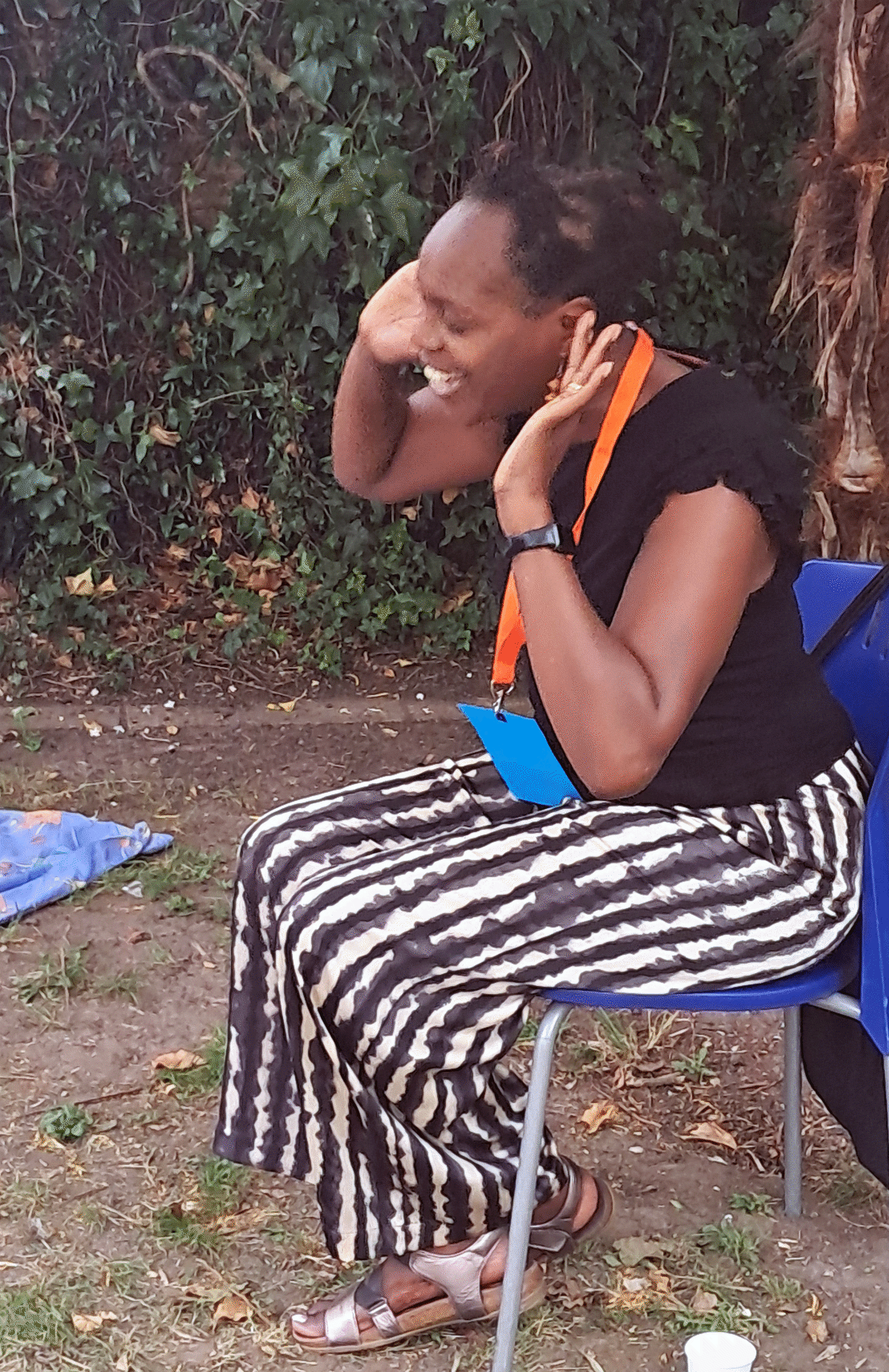
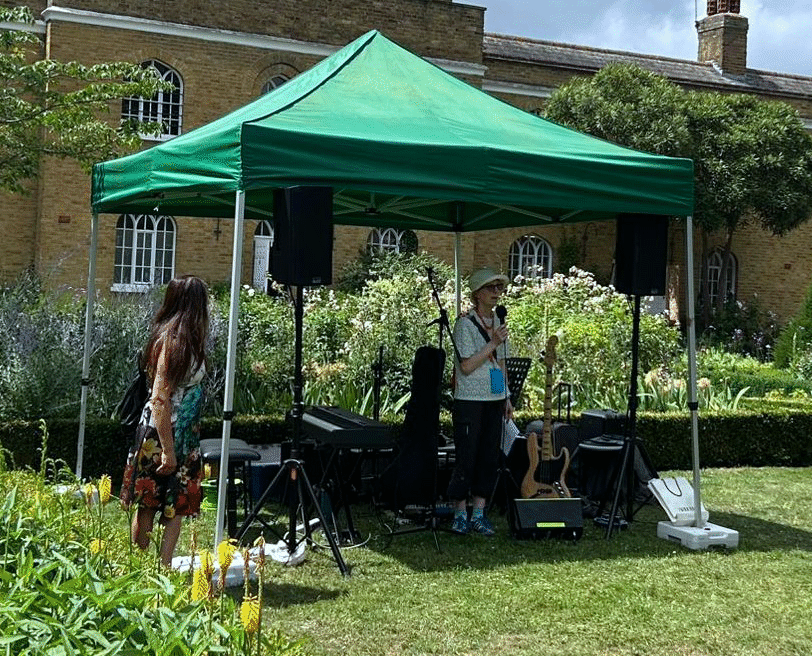
Storytelling with Diana Oluntunmogun.
Opening speeches for London Climate and Nature Action Week Susan Crisp Friends of Burgess Park Chair pictured; Southwark Council Executive Member for Council Coordination and Climate Councillor Eloise Waldon-Day was also one of the speakers.
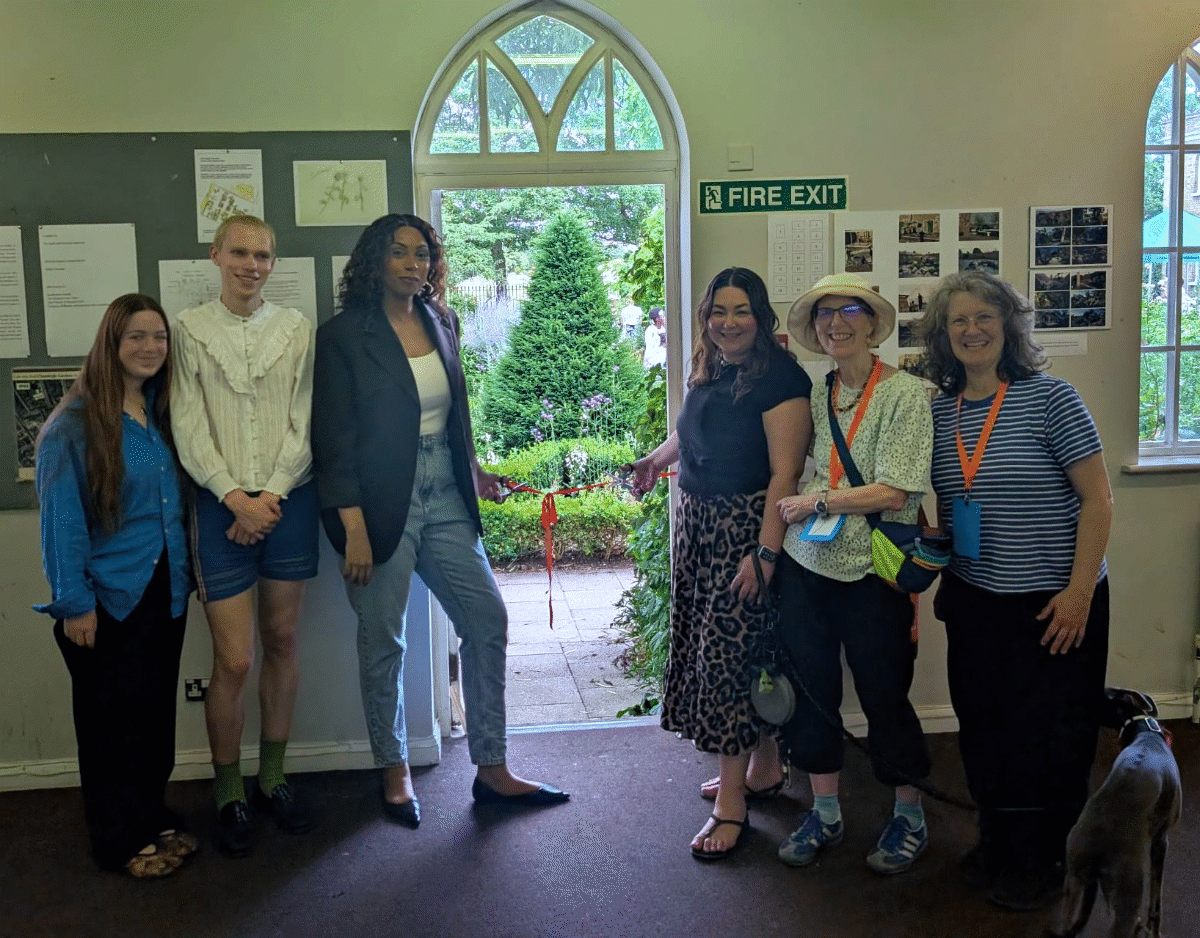
World Garden 30 years opening exhibition: Faraday Ward Councillors Felicia Johnston and Sasjkia Otto opened the photo exhibition with Friends of Burgess Park celebration coordinators Susan Crisp and Claire Sharpe and with the exhibition curators Georgia Salmond and Pip Hudd.
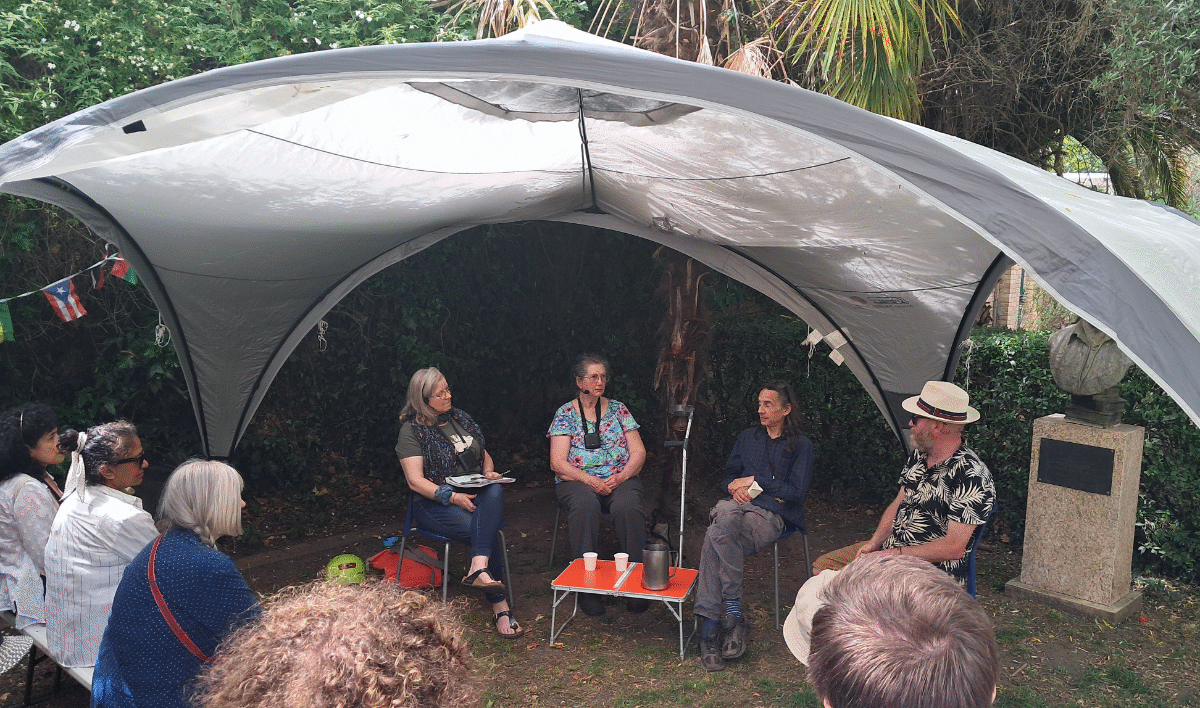
Gardeners’ Question Time: (r too l) Ciaran Hawkins, Head Gardener; Fabrice Boltho, Burgess Park Community Plant Nursery; Jenny Morgan, Friends of Burgess Park and Southwark Nature Action Volunteers; Sam Tilling, Friends of Burgess Park, compère.
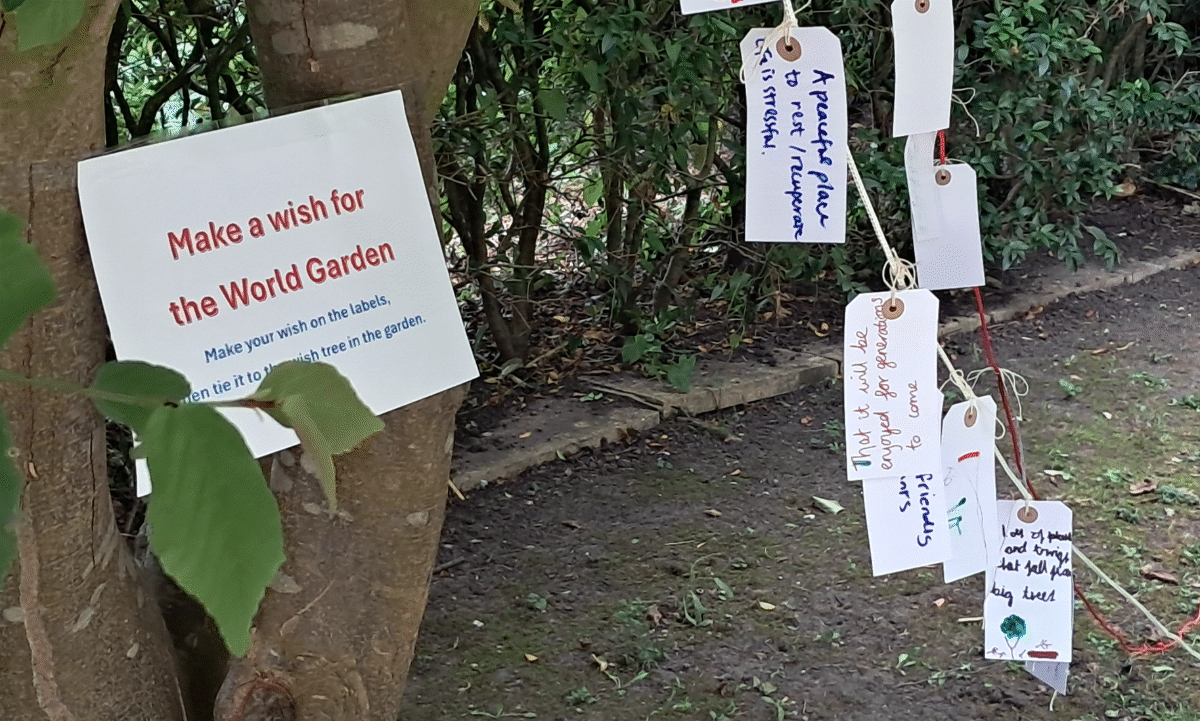
Wishes for the World Garden.
678910
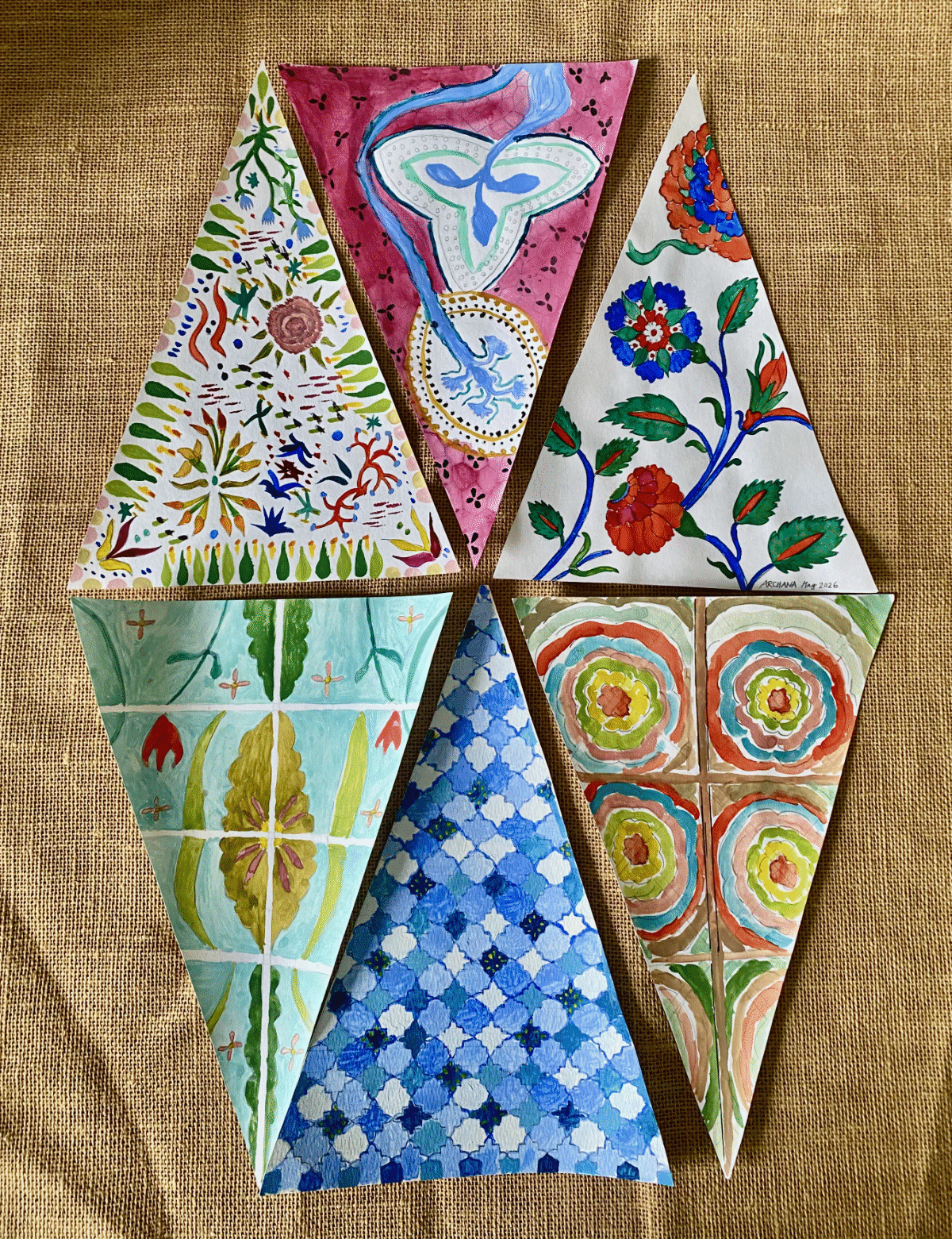
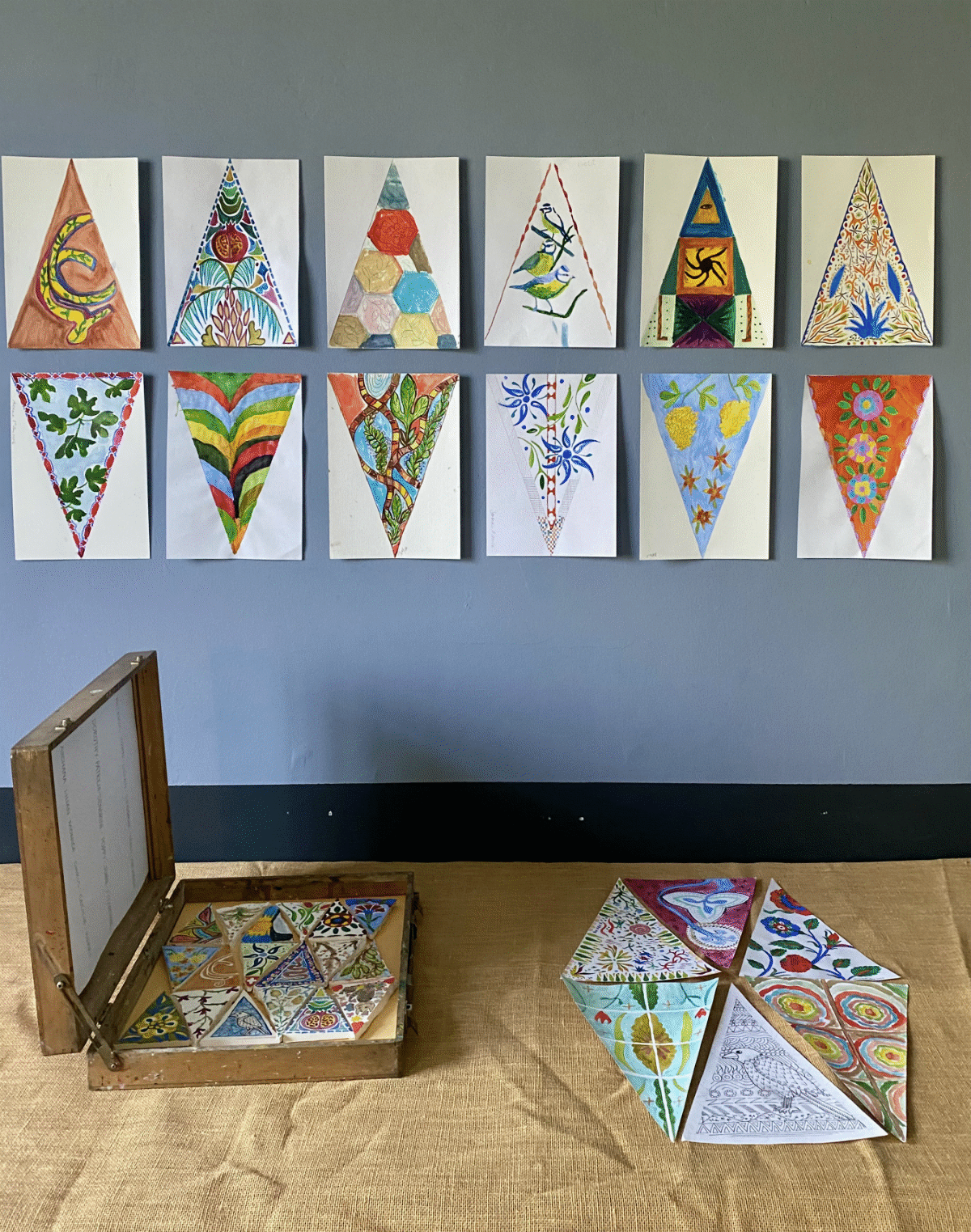
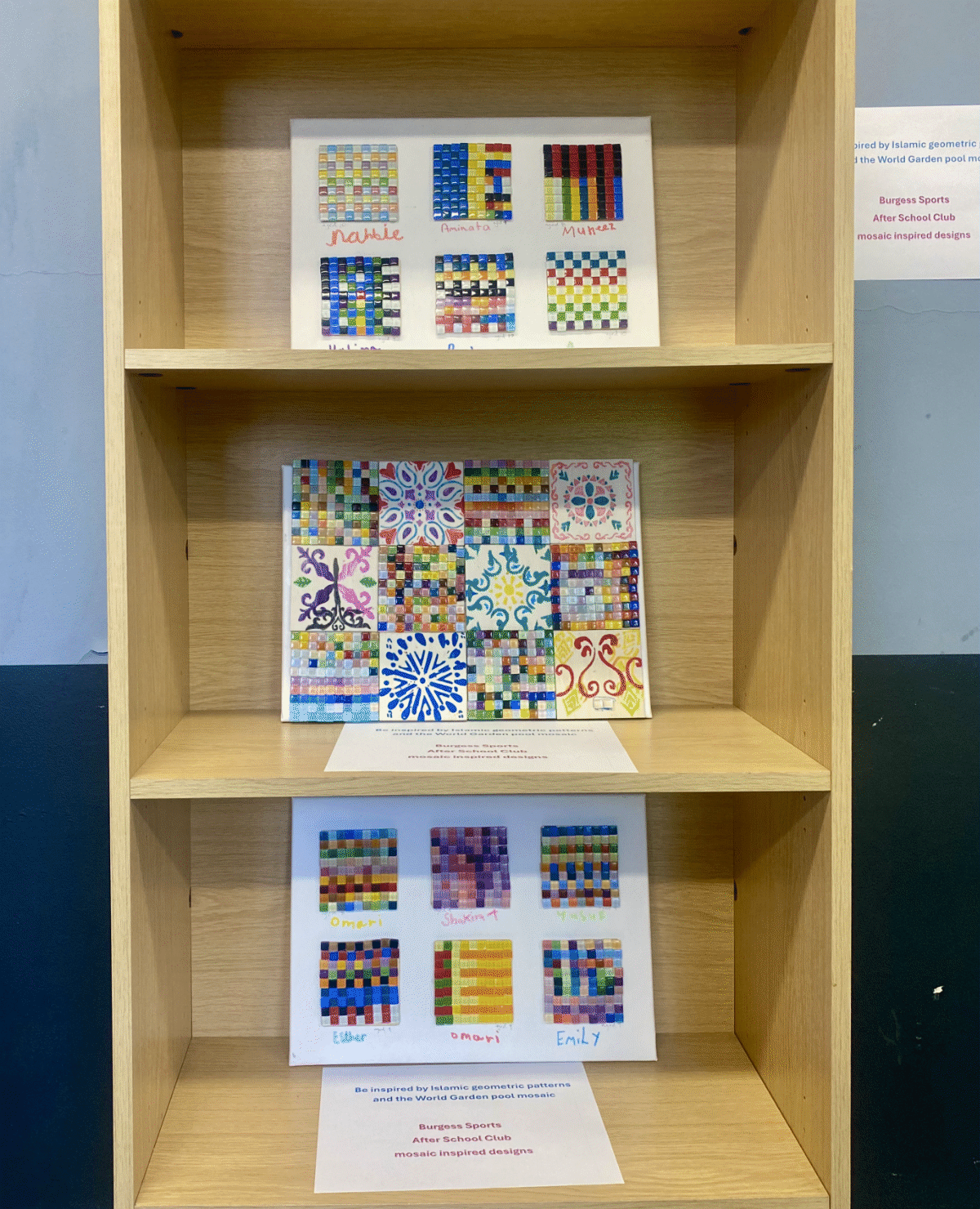
6-10. ‘Art in the Park’ older drawing group designs in watercolour on paper and plaster inspired by Islamic geometric patterns and the World Garden pool mosaic.
111213
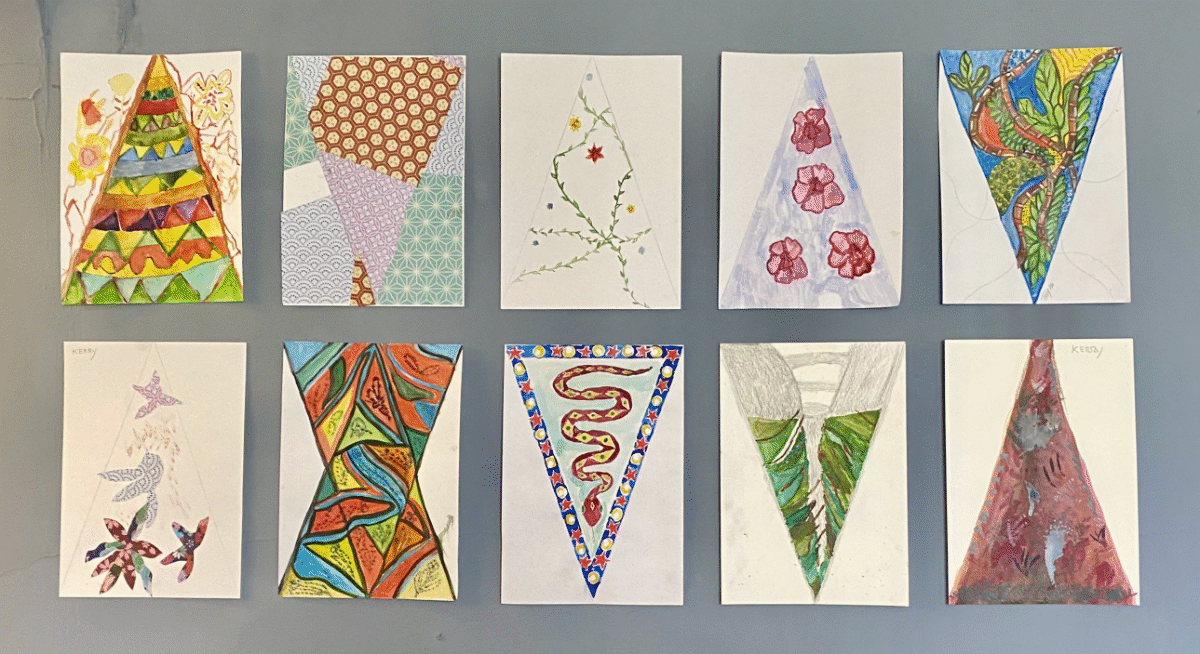
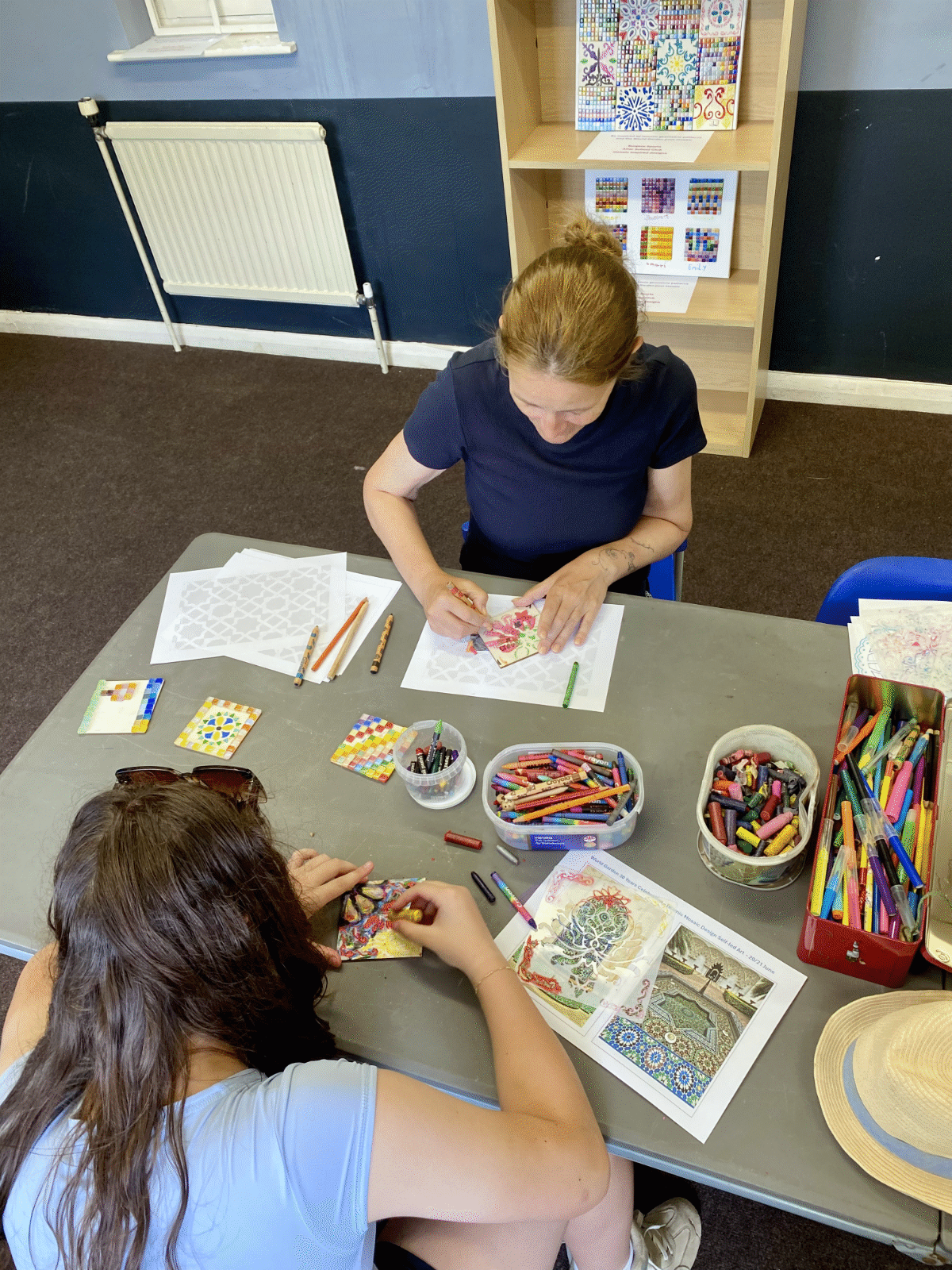
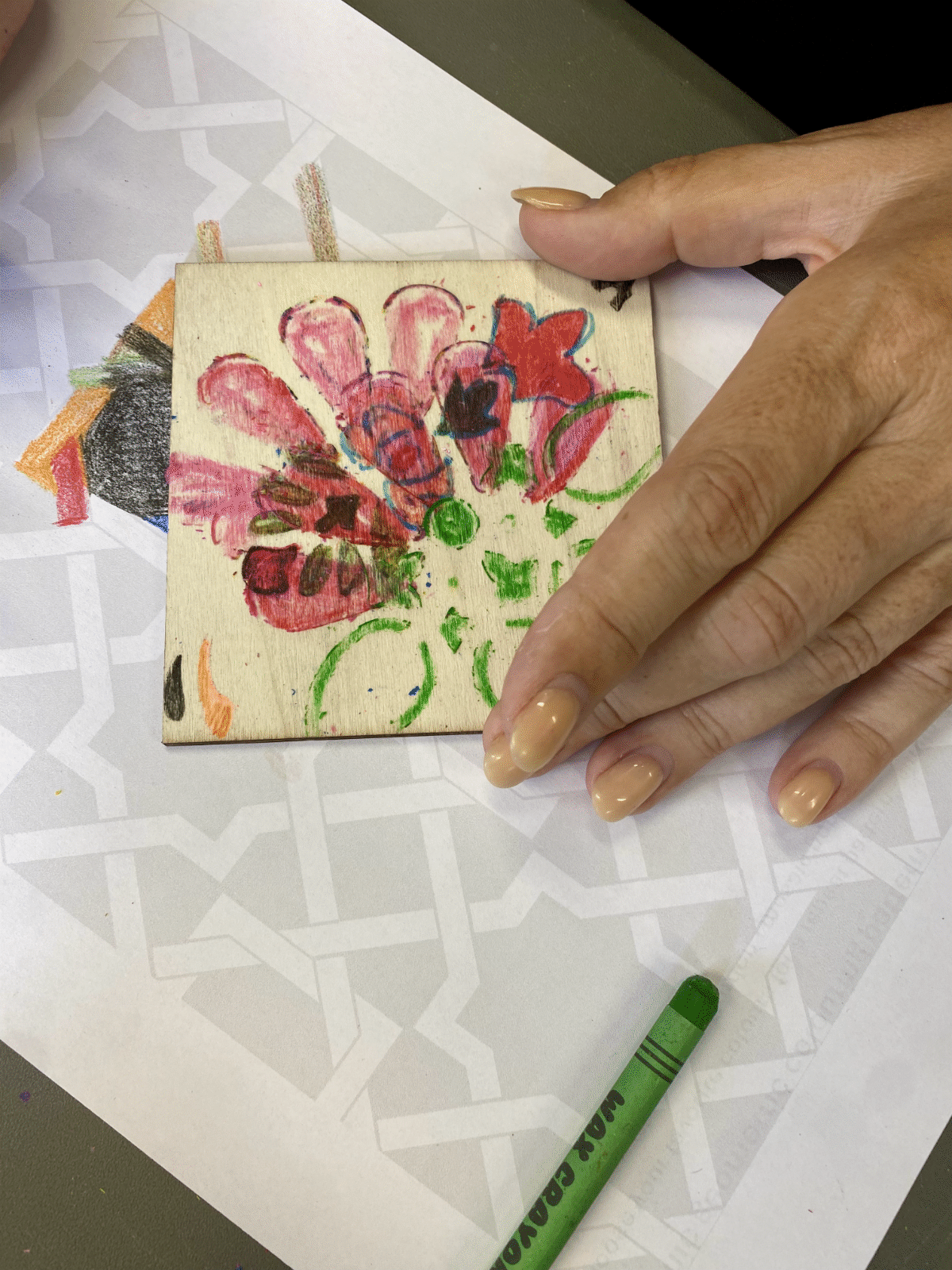
11-13. Self-directed art activities in the exhibition space.
1415
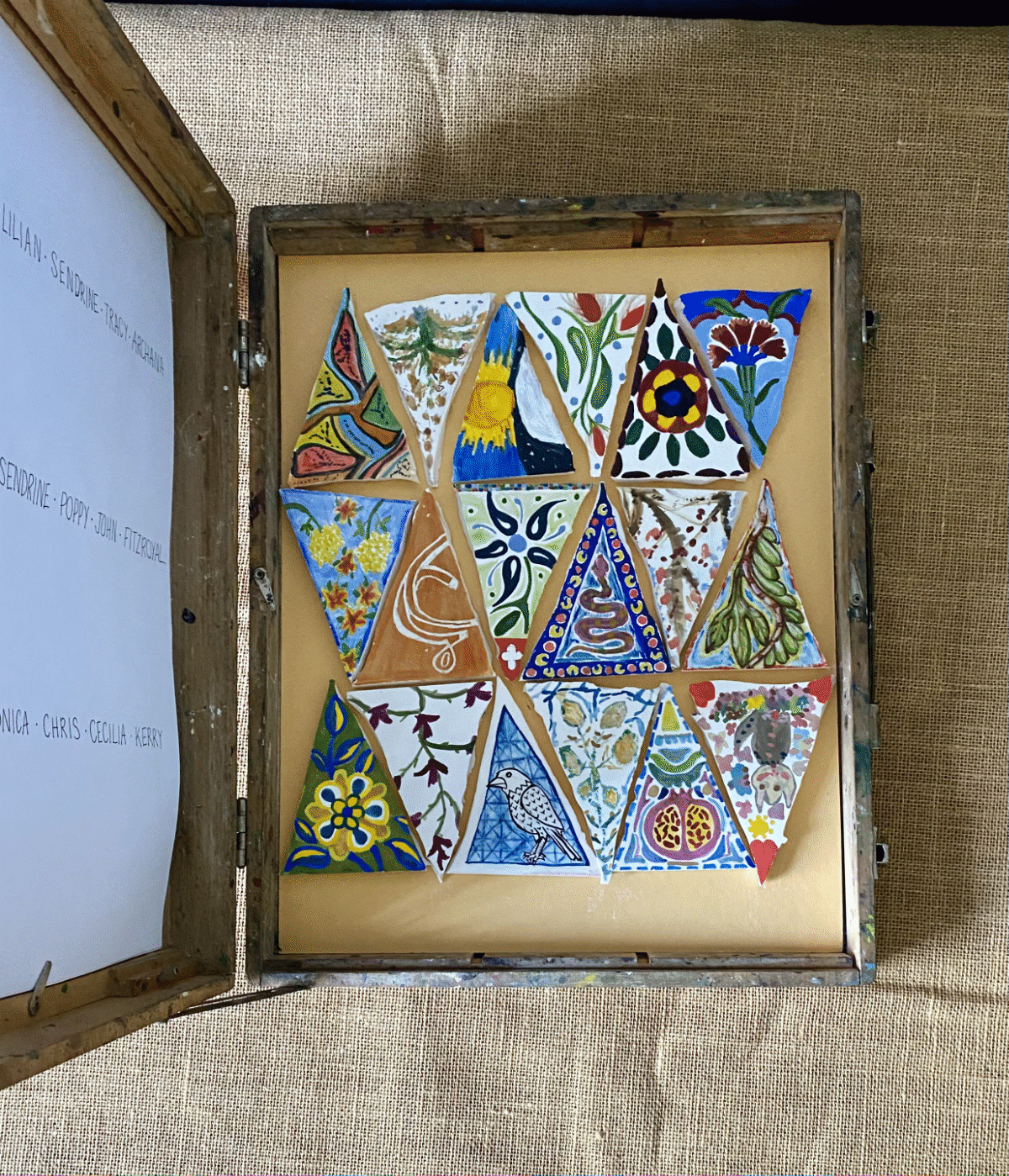
14. ‘Burgess Sports’ After School Club designs inspired by Islamic geometric patterns and the World Garden pool mosaic.
161718
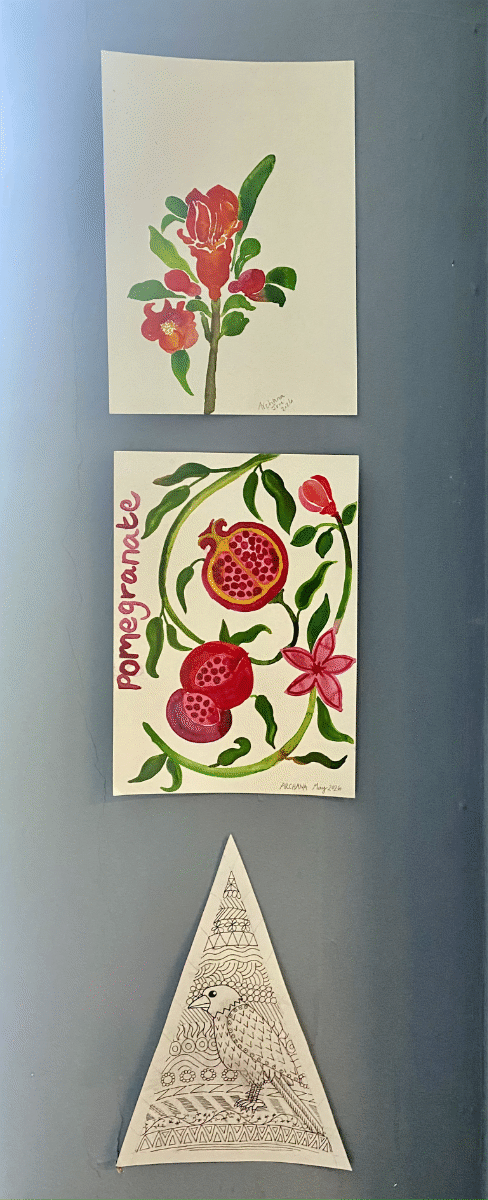
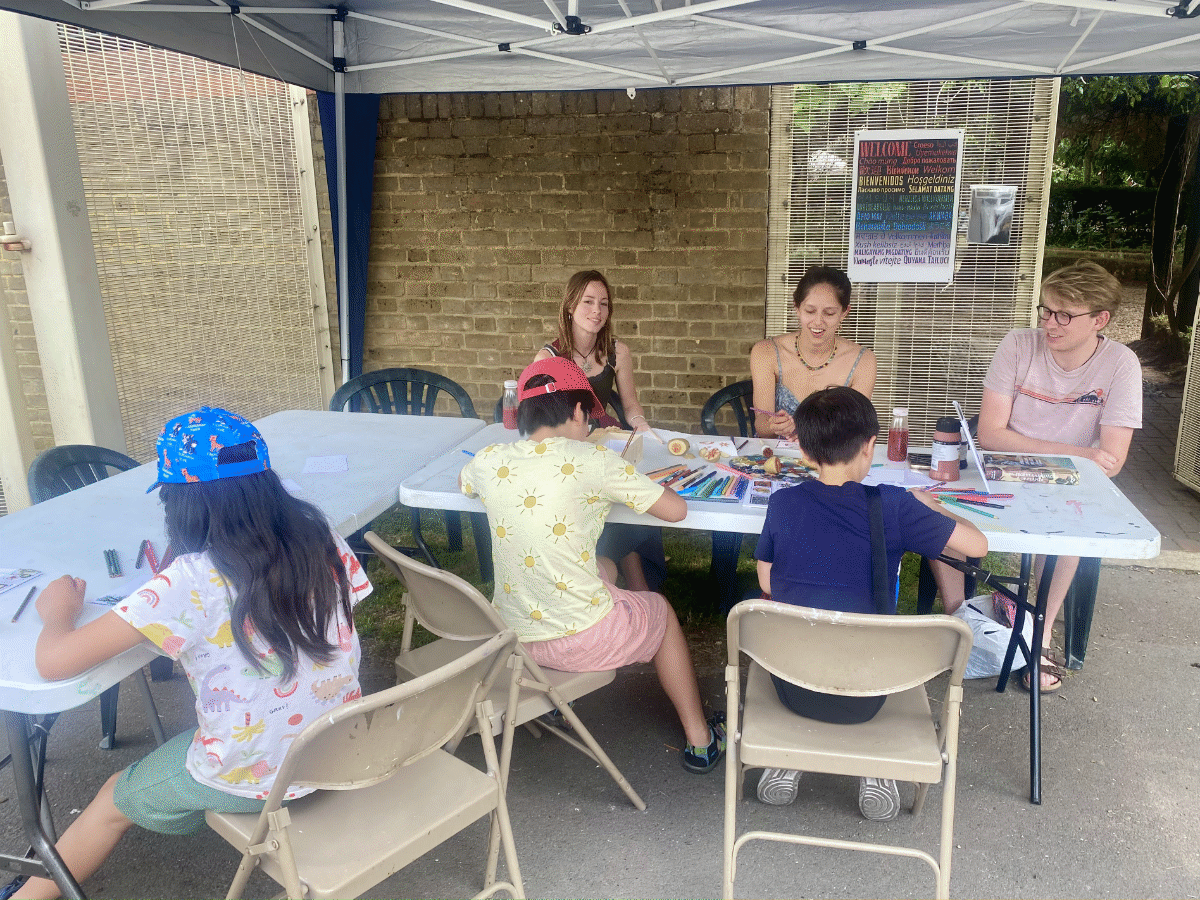
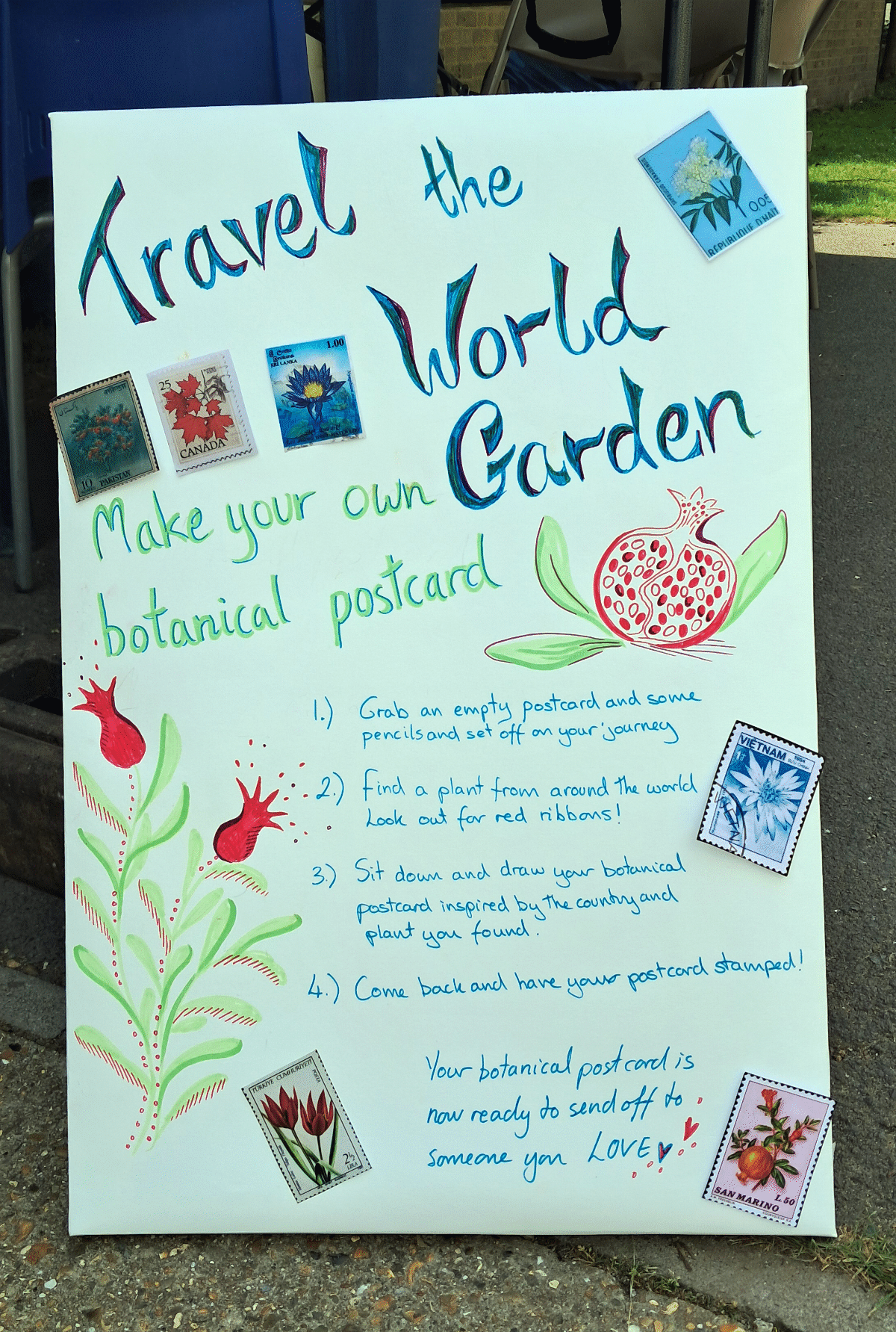
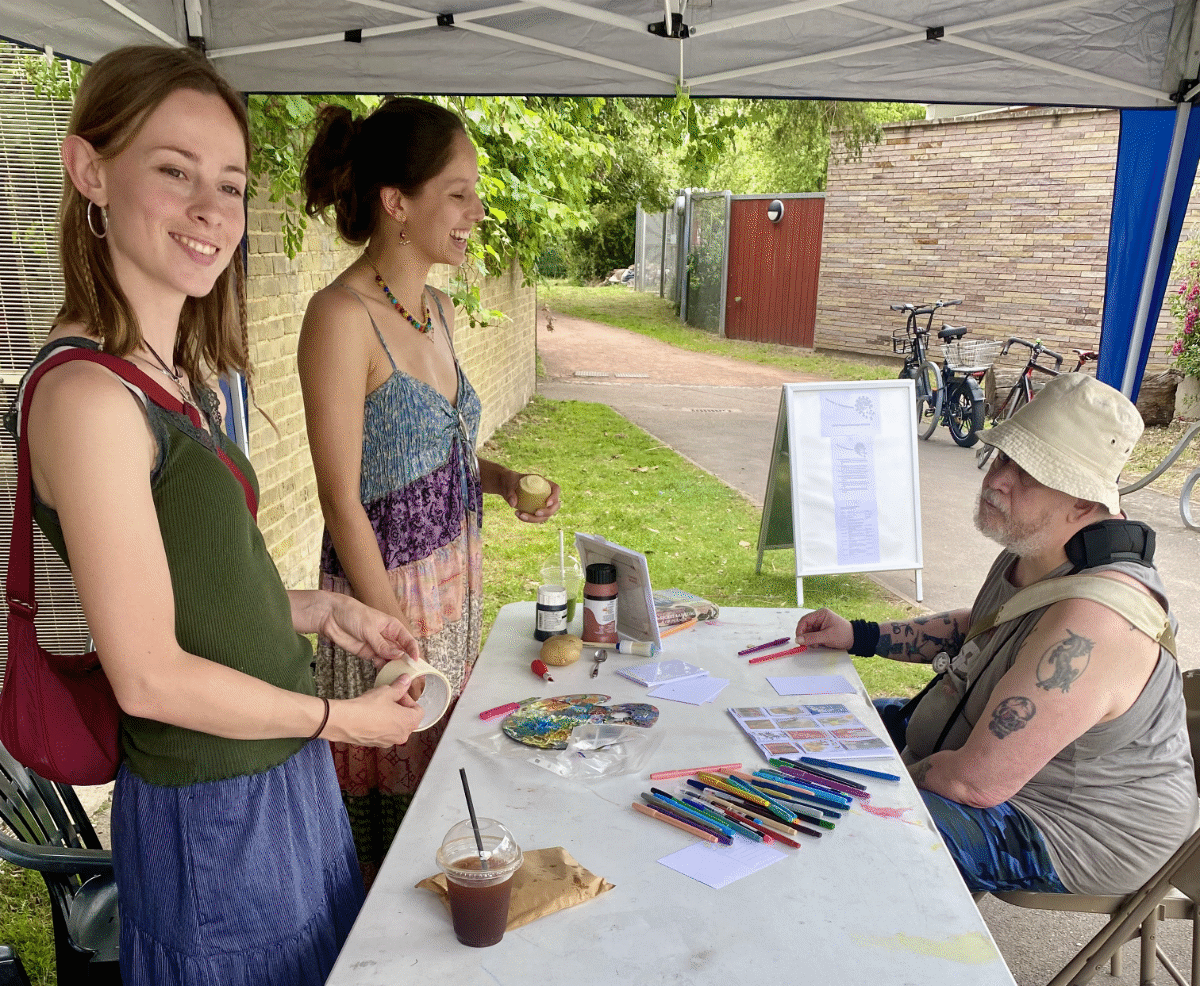
15-18. Tara’s Travel the World Garden botanical postcard design and potato print stamp workshop.
19202122232425262728
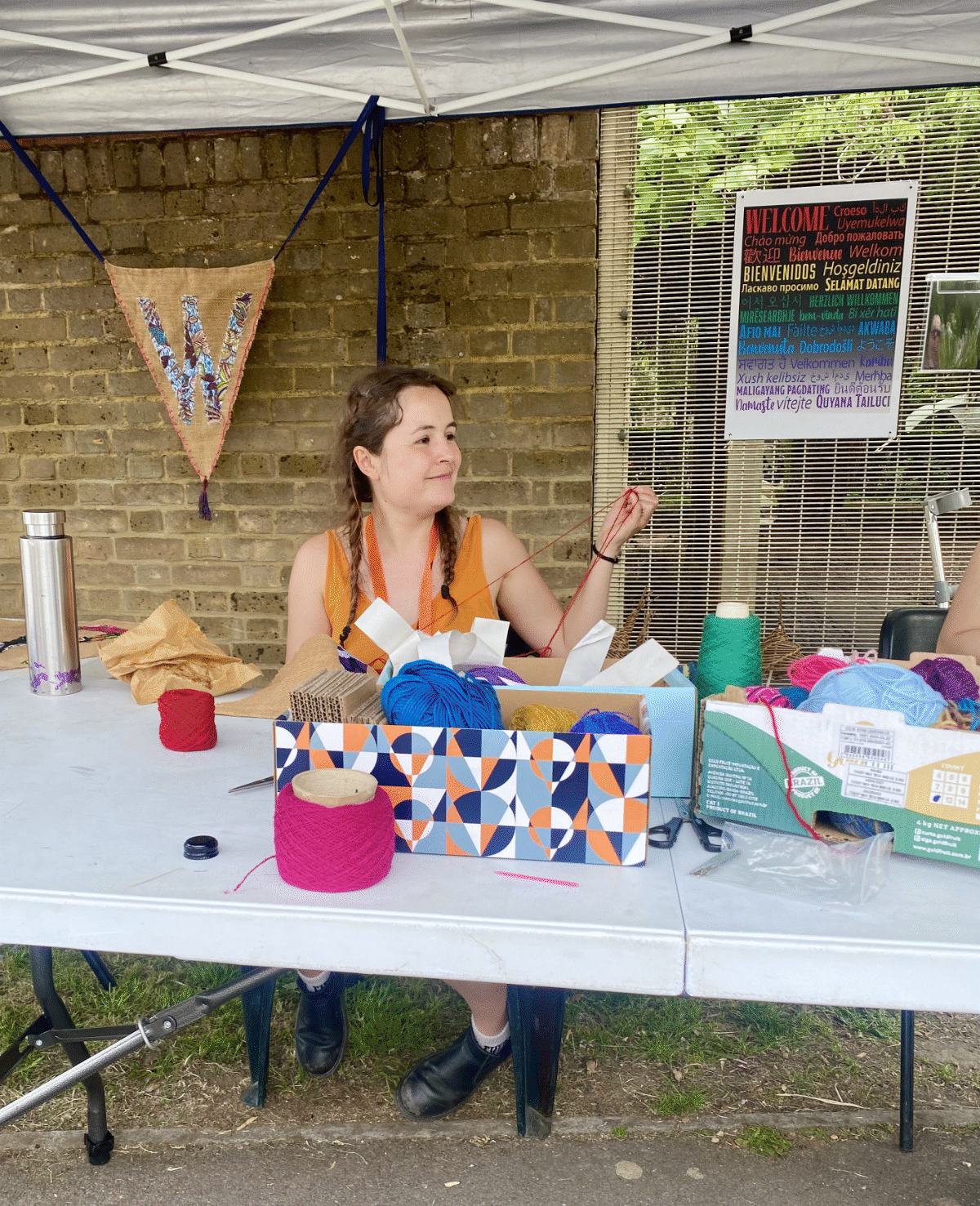
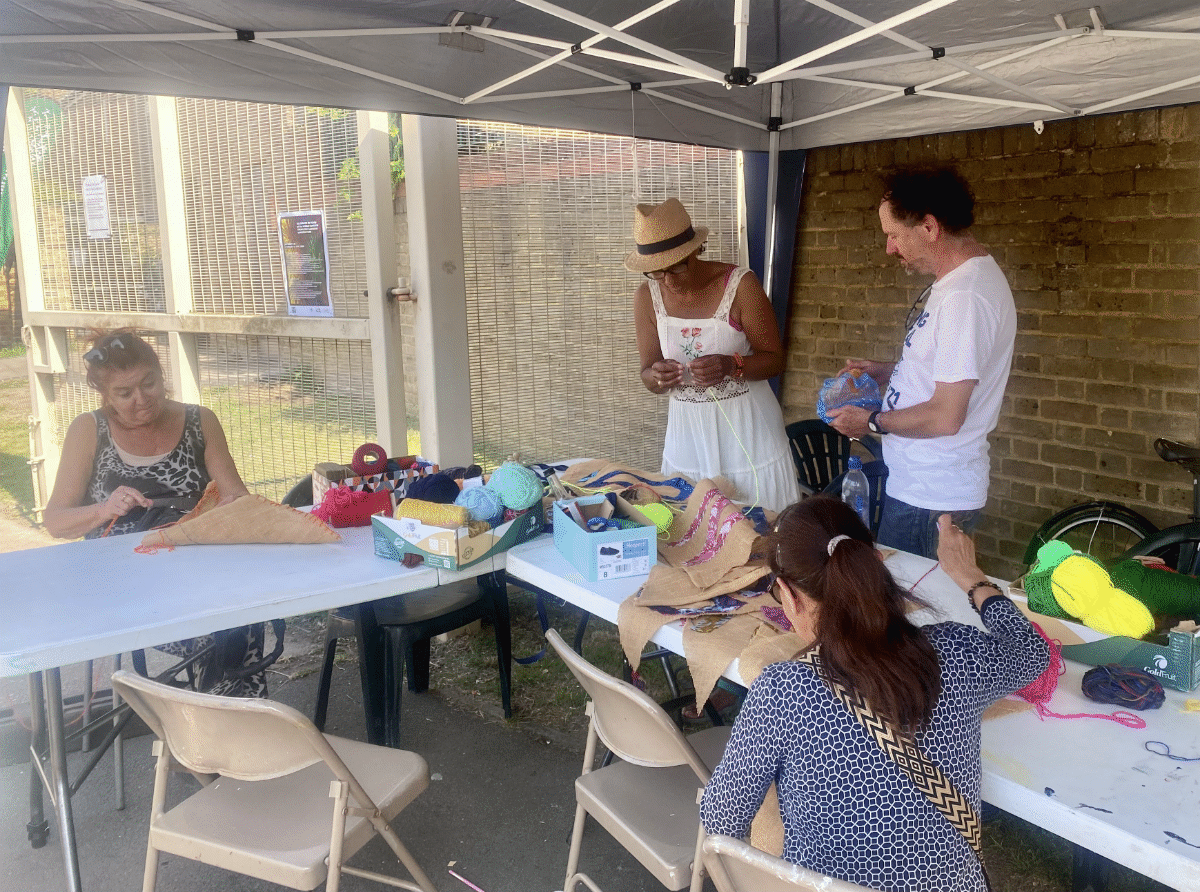
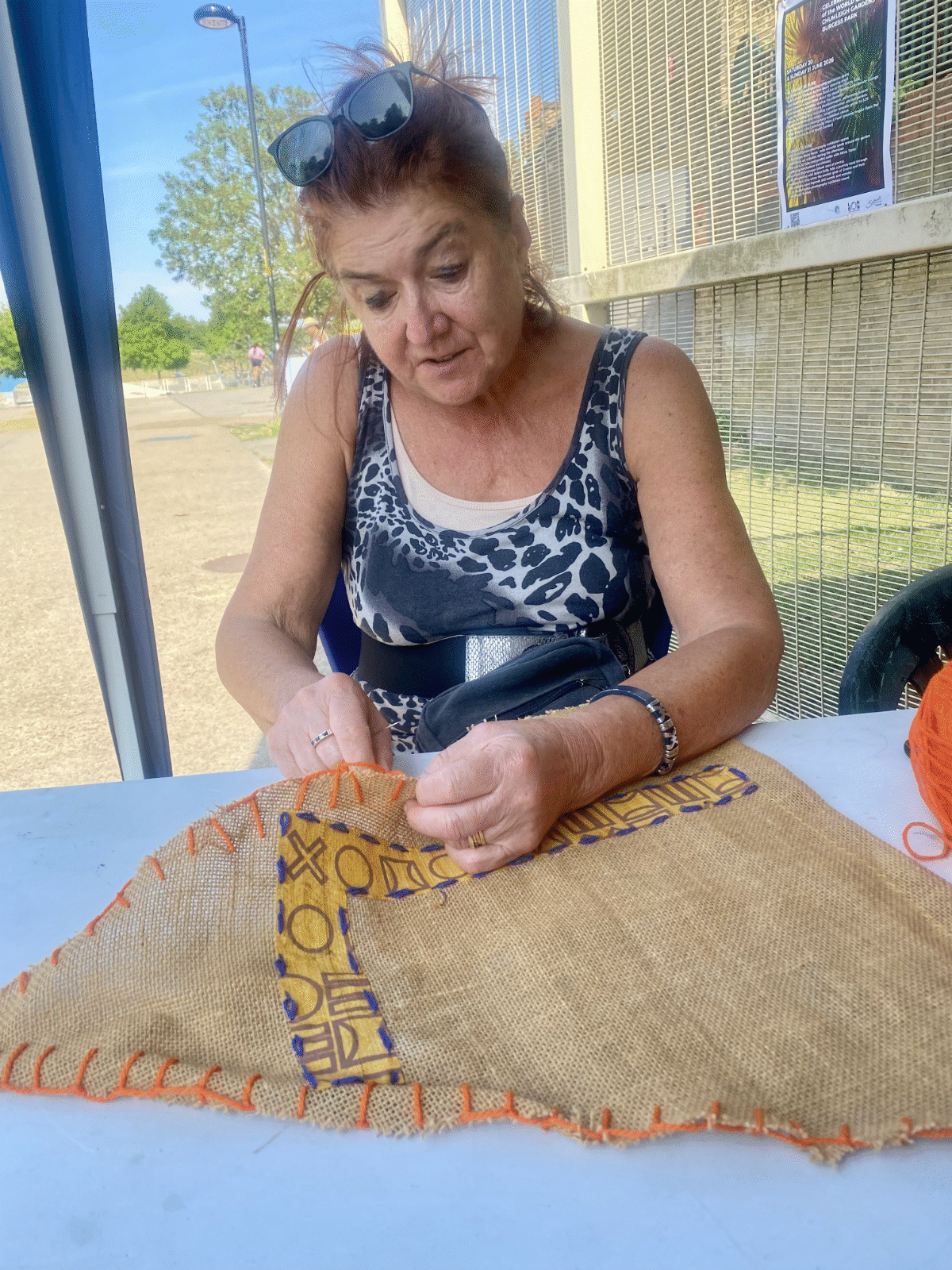
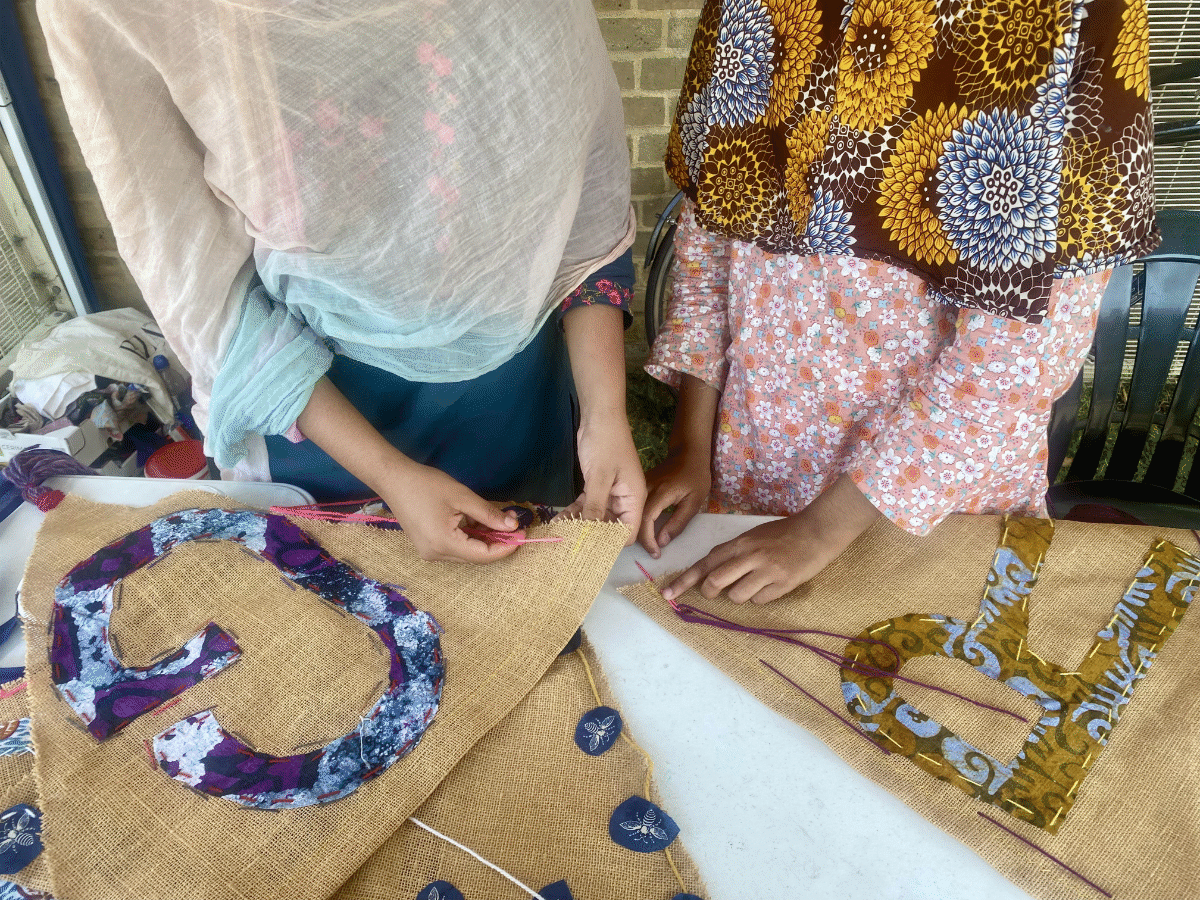
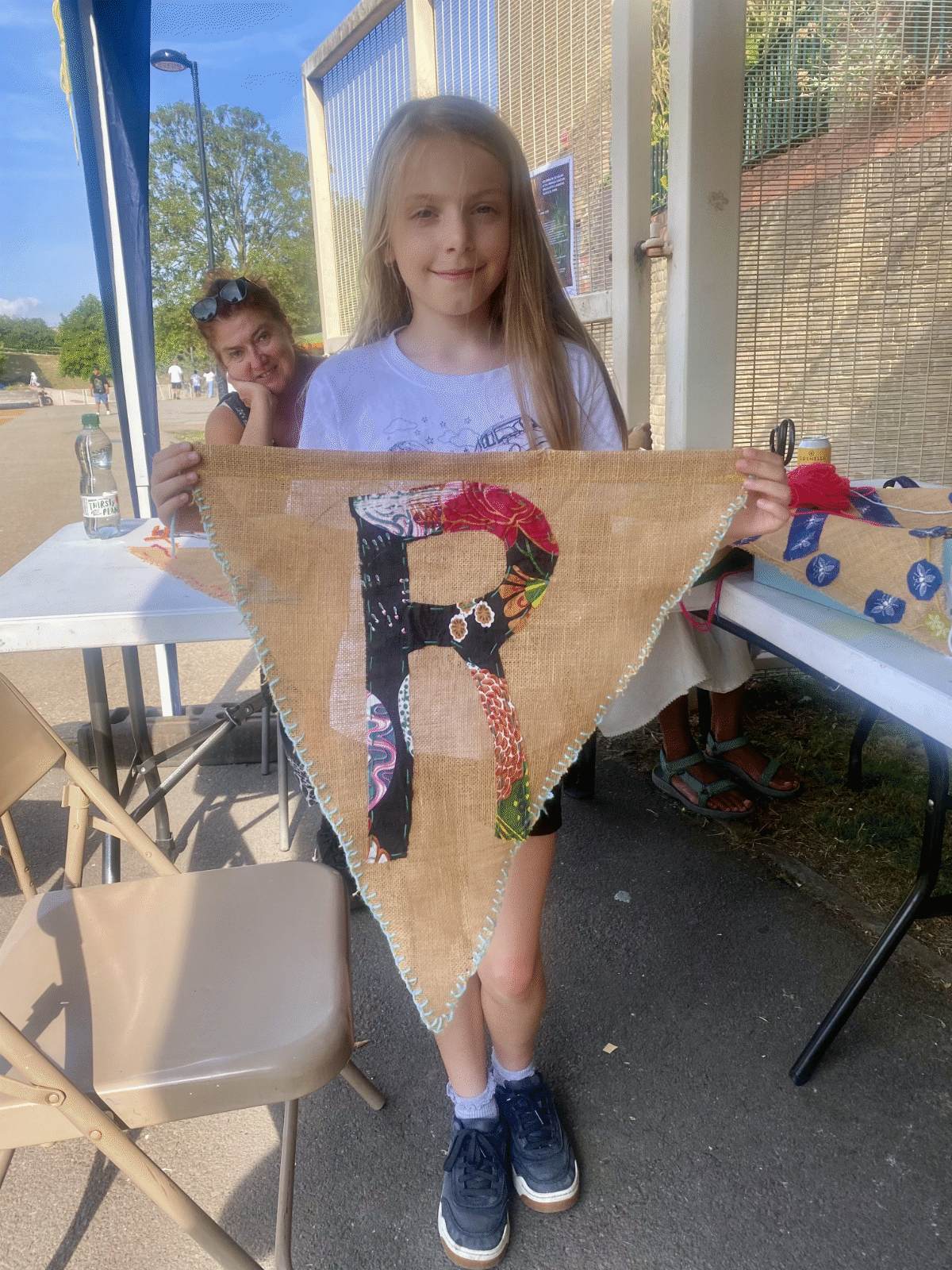
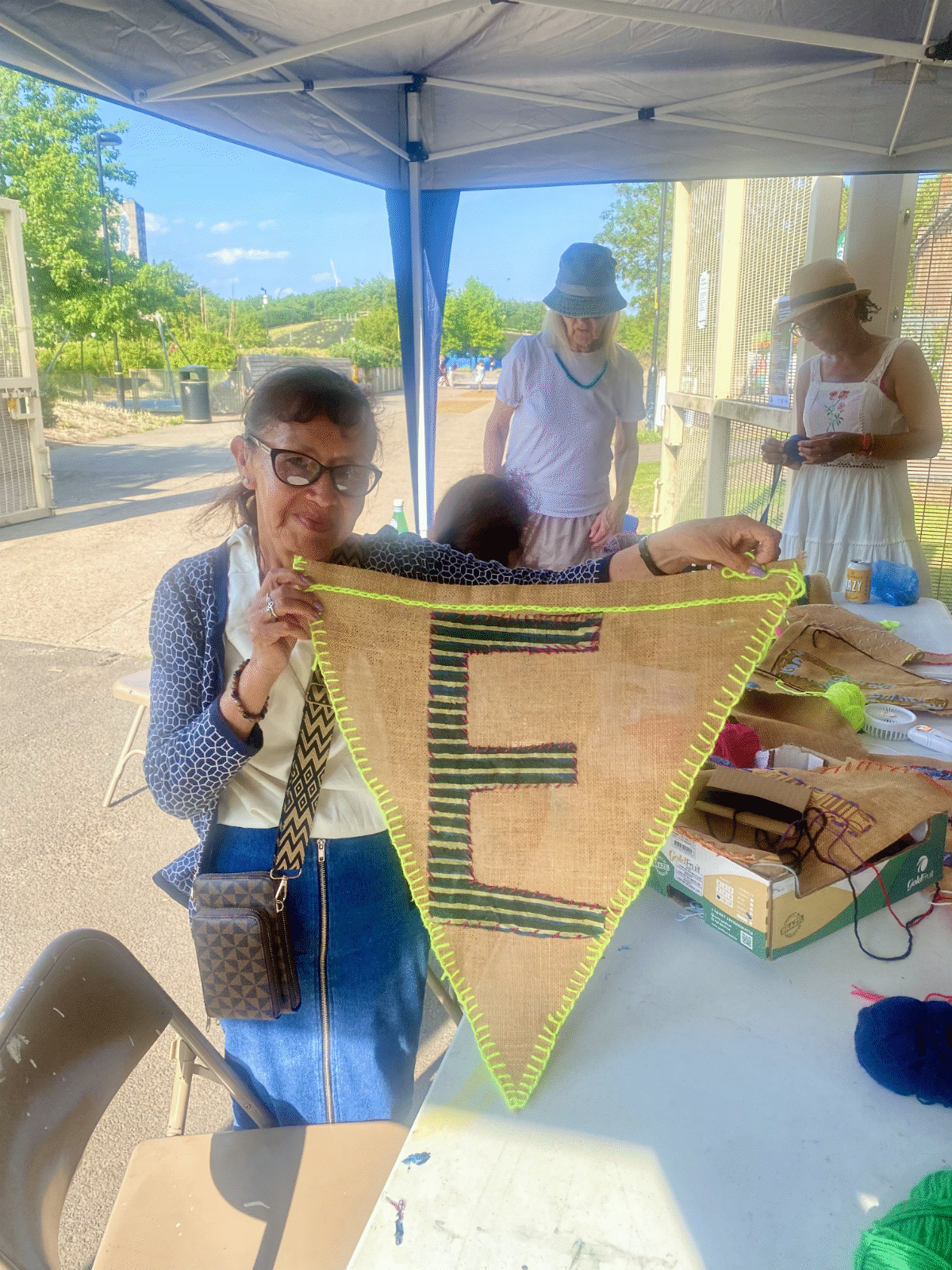
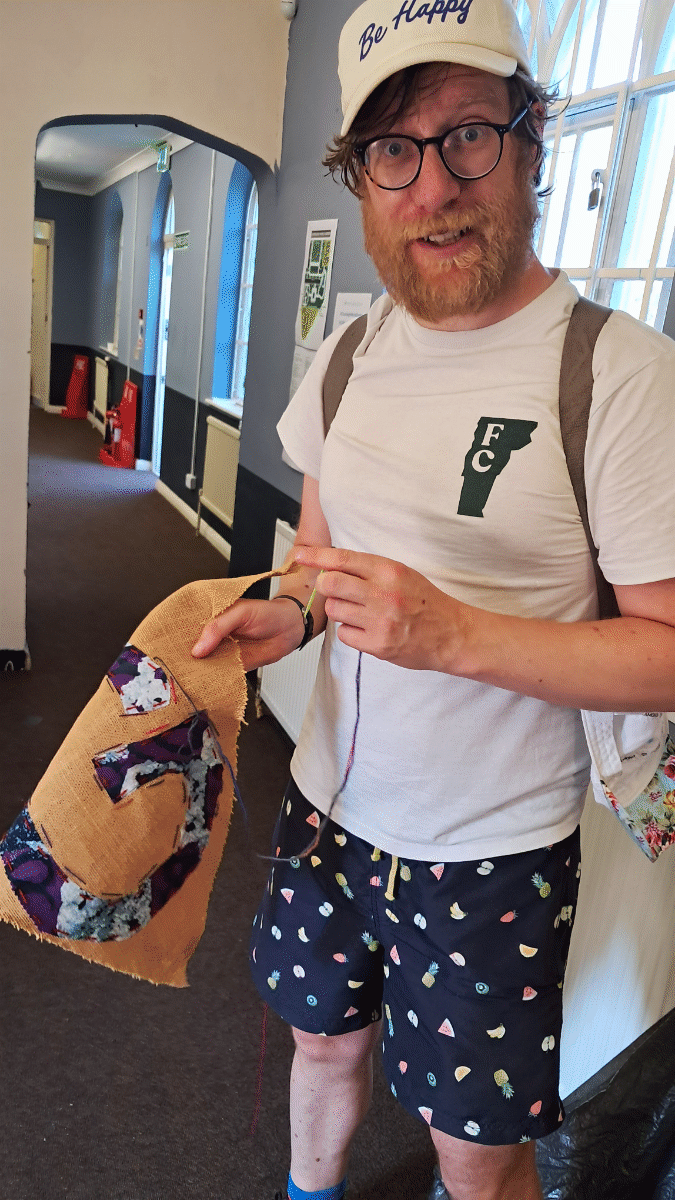
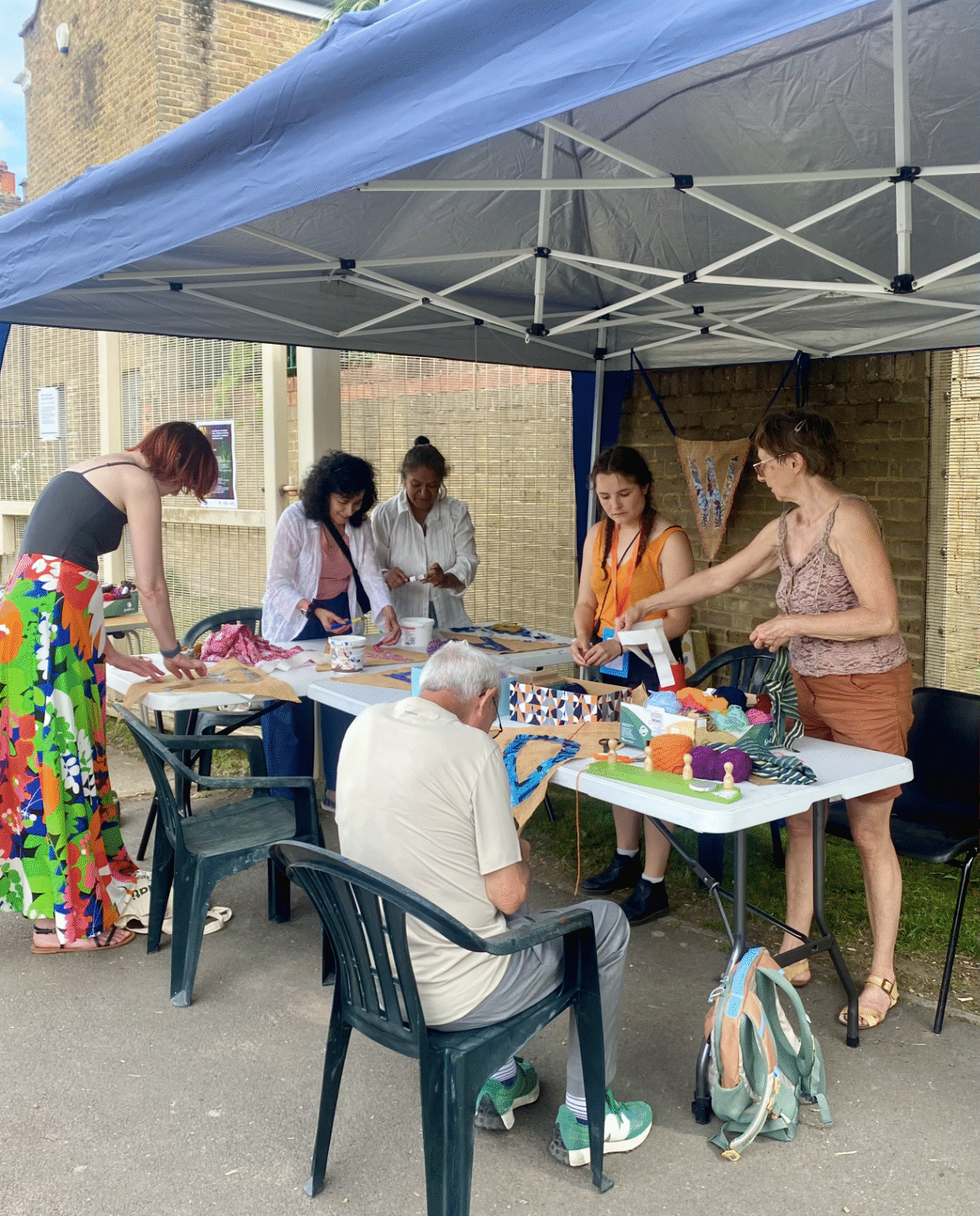
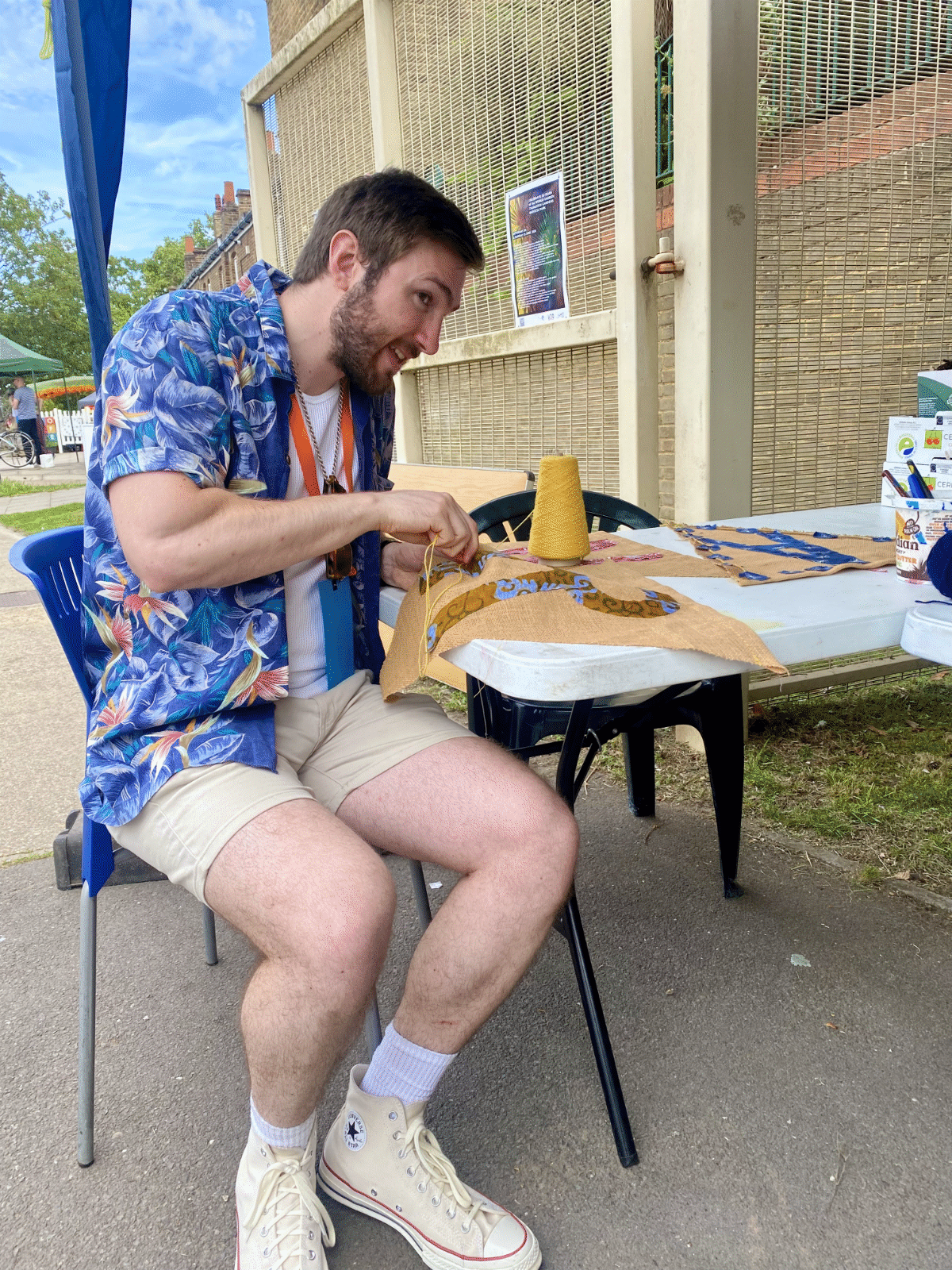
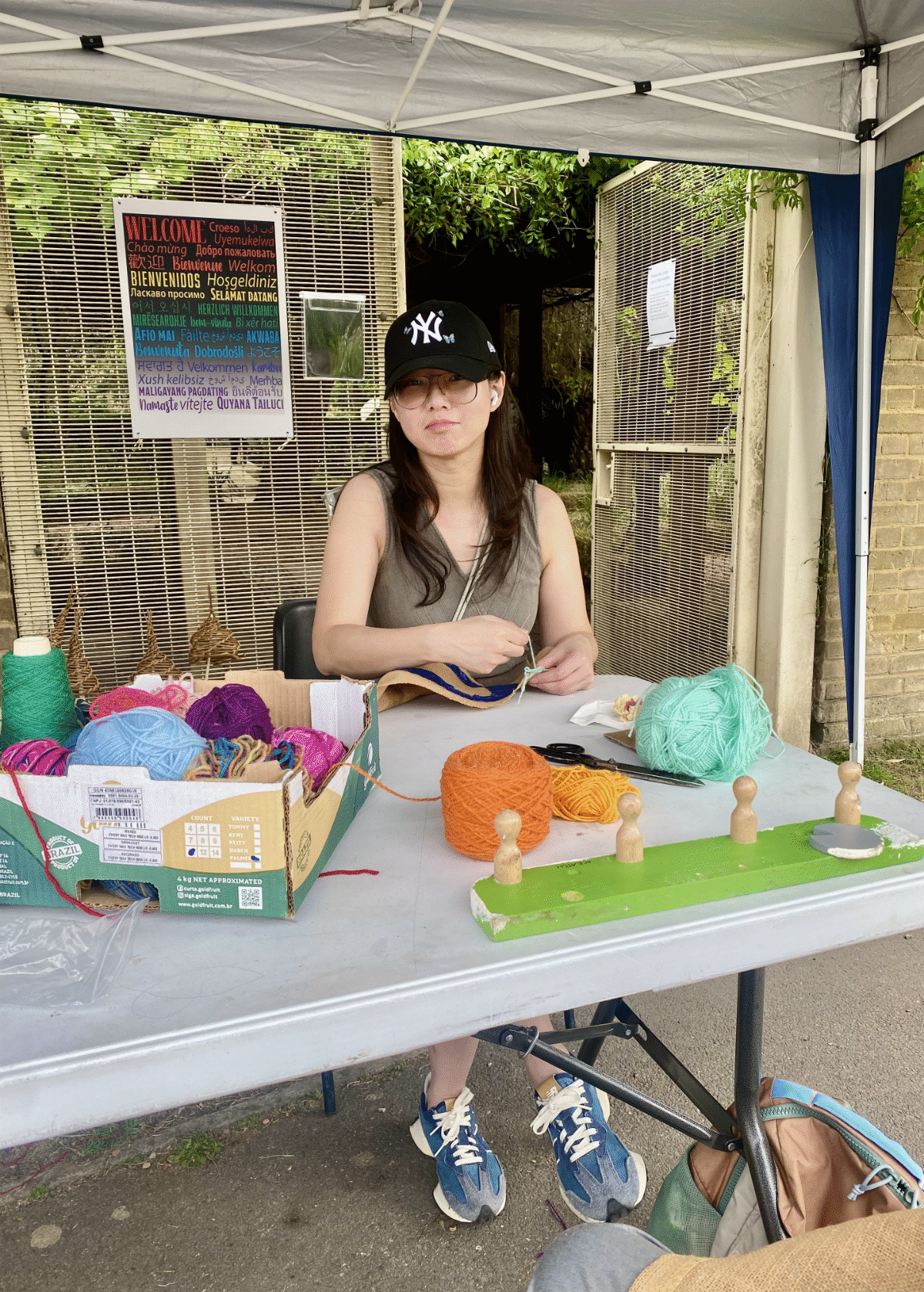
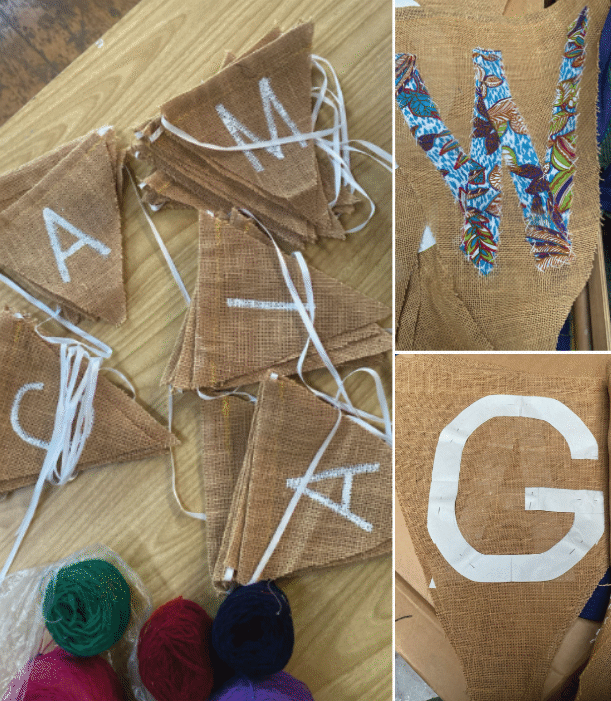
19-28. Two-day community sewing and tassel making World Garden bunting workshop.
29
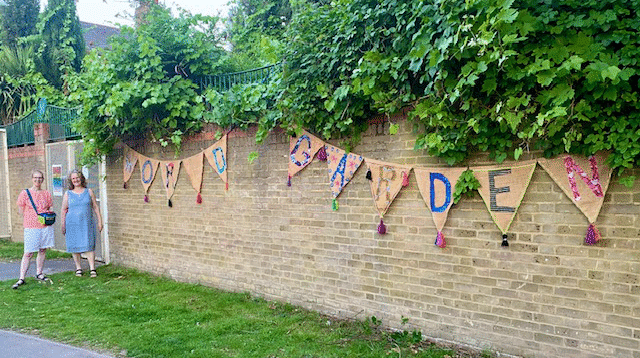
29. The completed World Garden bunting with Friends of Burgess Park celebration coordinators. Handicraft photos by Monica Heeran, artist/maker.
303132
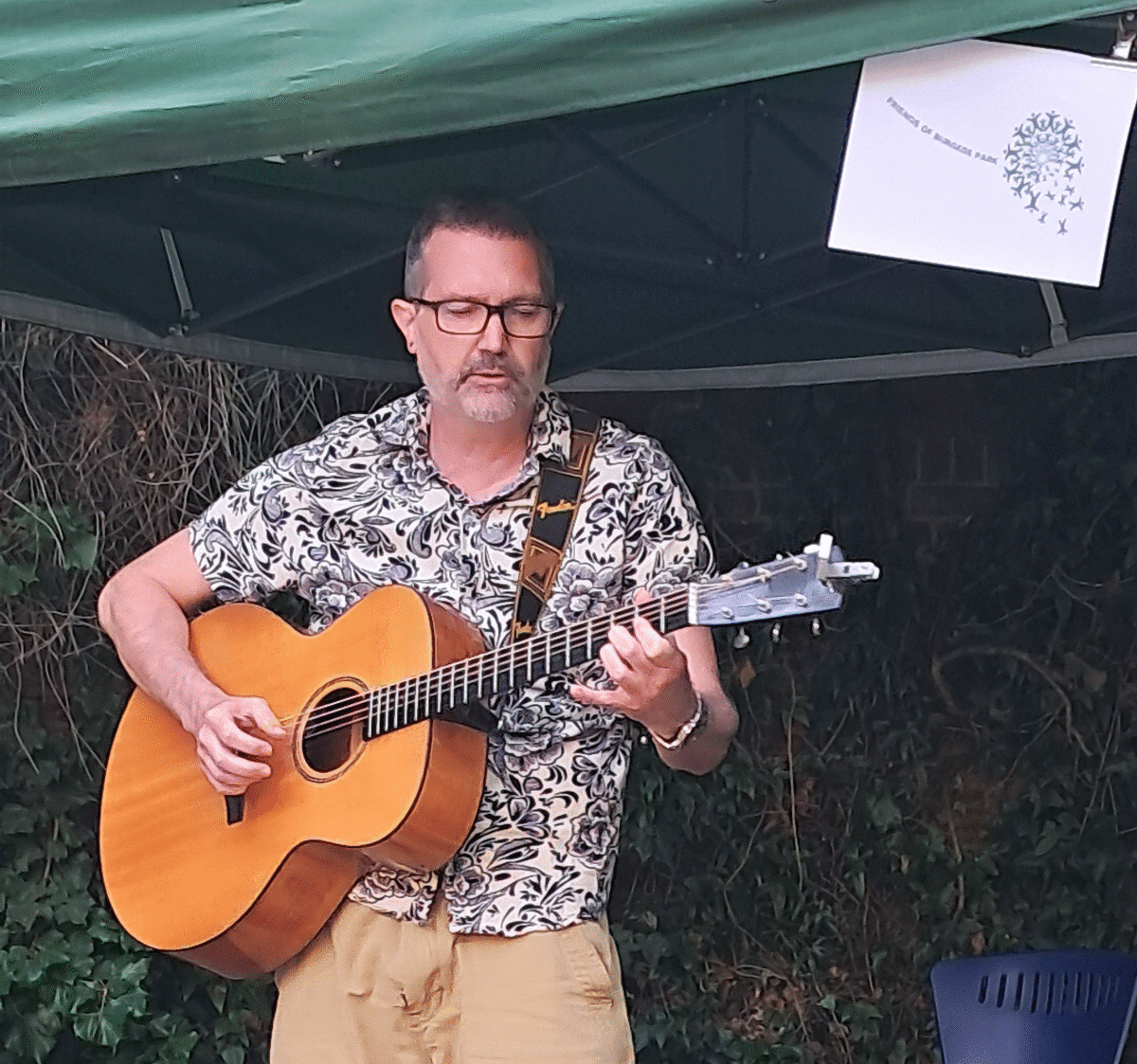
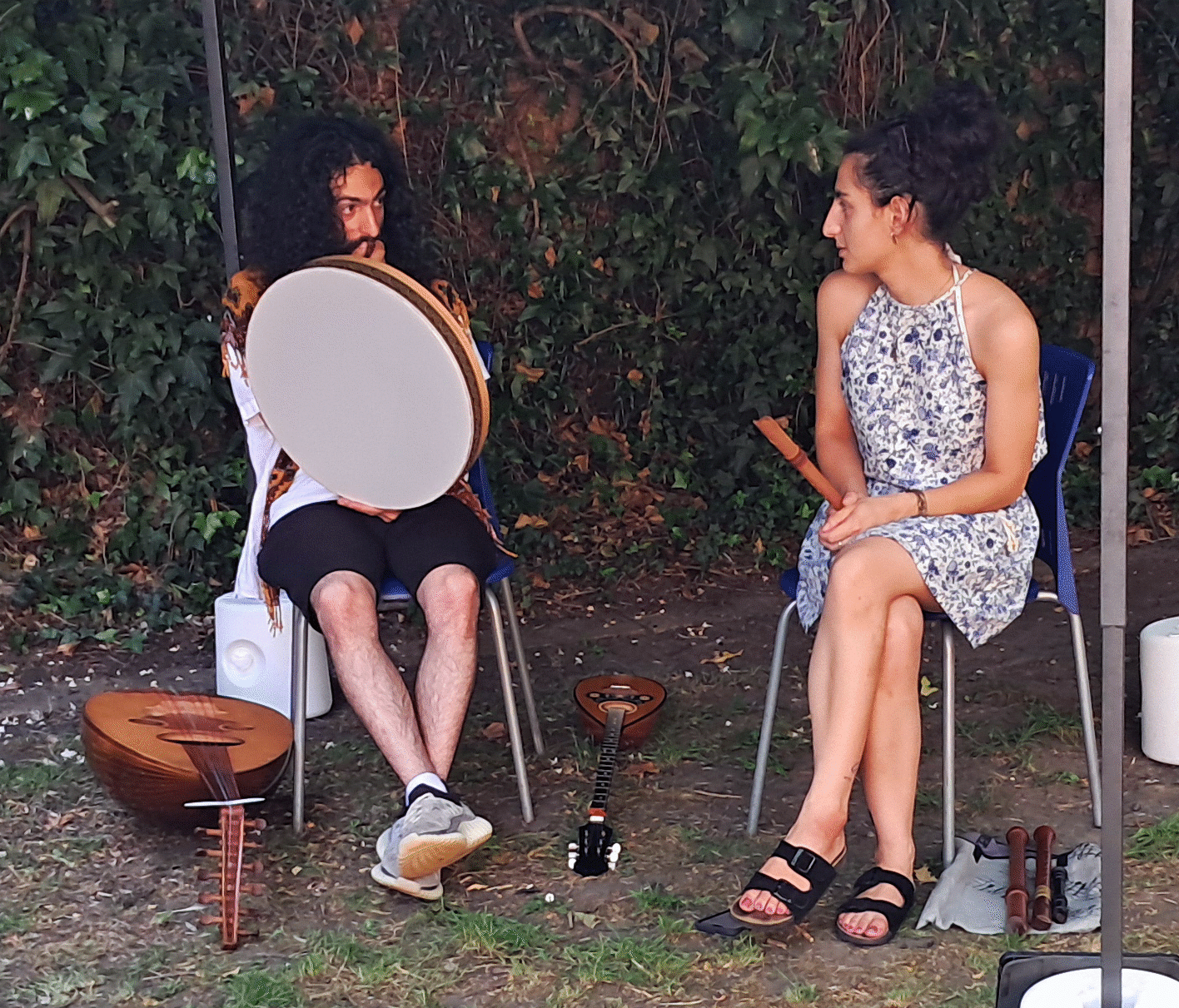
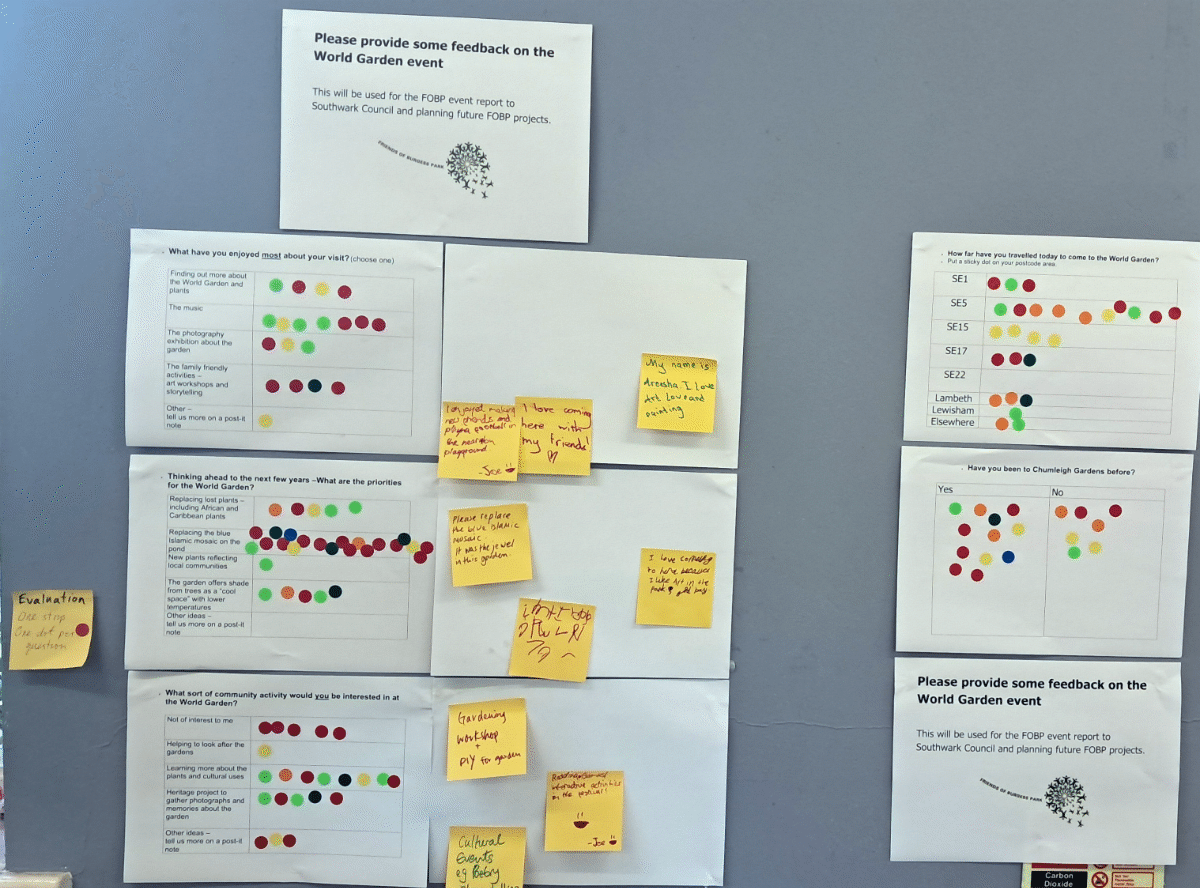
30. World music: Richard Llewelyn-Davies. 31. World music: Mario Christofi (oud) and Leah Saltoun (recorder). 32. Feedback on the 30 Years World Garden Celebration.
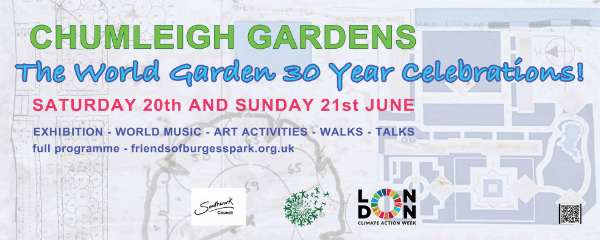
Come along and help Friends of Burgess Park celebrate 30 years of the World Garden at Chumleigh Gardens, Burgess Park with activities over two afternoons on Saturday 20 and Sunday 21 June 2026.
Finding the World Garden and facilities
Address: The World Garden is at Chumleigh Gardens, Burgess Park off Albany Road, Southwark SE5 0RJ. What Three Words location: https://w3w.co/vibes.socket.work
Travel: Buses along Albany Road: No. 42, 343, 136, bike locking points and a small amount of car parking. Or buses along Old Kent Road and Walworth Road and walk through the park 10-15 minutes.
Disabled access: The World Garden is disabled access and the exhibition spaces have ramped access.
On Saturday take part in family friendly events, listen to jazz and world music in the garden and enjoy the photography exhibition about the history of the World Garden and find out more about the different plants and their cultural importance to Southwark’s diverse communities. We are joining forces with London Climate and Nature Action Week and community groups to focus on the impact of climate change on nature and the gardens of yesterday and tomorrow.
Saturday 20 June
12.00World Garden photography exhibition opens to 5.00
12.00Burgess Park Community Plant Nursery to 5.00
Find out more about the community nursery and take a tour of the poly tunnels, where volunteers work alongside horticultural experts to produce thousands of free seedlings for Community Gardens all over Southwark. Their most recent give away focussed on a range of warm-season and culturally significant crops. Come along and meet the volunteers to learn what’s possible to grow in London, and share knowledge and experiences from different food cultures.
Southwark Council Executive Member for Council Coordination and Climate Cllr Eloise Waldon-Day will be speaking.
1.45 Faraday Ward Councillors Otto and Johnston will formally open the photo exhibition
2.00Mulberry Moments jazz band to 4.00
To celebrate the wonderful new avenue of mulberry trees in Burgess Park, we’re hosting a free afternoon of music from JazzLive.
Join friends and neighbours to enjoy music from the JazzLive at the Crypt community: Winston Skerritt (bass) and Belinda Braggins (keys) are joined by guitarist Maurice Brown for two sets of original music. Expect jazz, folk and world influences, relaxed grooves and strong melodies.
Thanks to sponsorship from Camberwell TFC, the Turkish Food Centre we will be adding to the musical festivities with some appropriately themed treats of scones with Turkish mulberry jam, and lemonade to round off the afternoon. Come and find us at the Camberwell Society stall.
2.00 Garden Talks and Walks – Gardeners Questions about the World Garden and climate change to 3.00 with: Ciaran Hawkins, Head Gardener; Jenny Morgan, Friends of Burgess Park and Southwark Nature Action Volunteers; Fabrice Boltho, Burgess Park Community Plant Nursery
3.00Family art for all, during the afternoon
3.00 Community art project drop-in – Saturday and Sunday
Help make the World Garden bunting
As a community we will be creating a large wall hanging with bunting for the garden which will remain up over the summer. Come and add your stitches, knots, and favourite fabric to create a colourful World Garden sign
4.00Mosaic design patterns drop-in to 5.30 pm
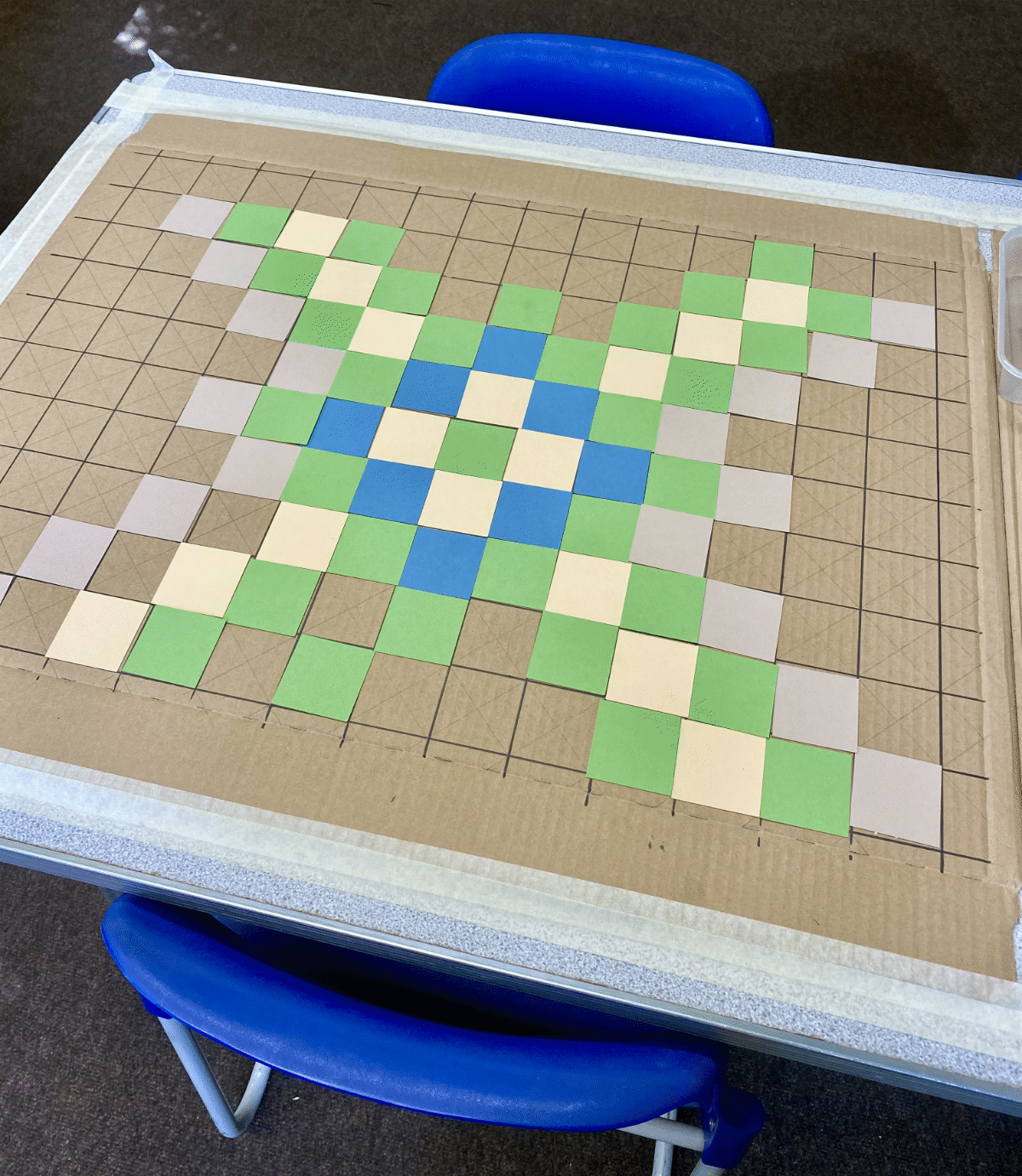
The Islamic garden pond had a tiled mosaic design which due to repair is no longer visible. Design your own geometric and repeat pattern mosaic designs. All materials supplied.
Local groups: 1st Place Nursery, Burgess Sports and Art in the Park are exhibiting mosaic inspired work they have created.
4.00Storytellingwith Diana Oluntunmogun, performing Anansi stories including one regarding a grandmother and her garden.
4.30Jeanette Murphy singer / songwriter acoustic guitar to 5.30
5.00World Garden photography exhibition closes for the day
On Sunday come along to enjoy talks, walks and help identify all the plants in the World Garden as we also celebrate the summer solstice.
Sunday 21 June
2.00World Garden photography exhibition to 6.00
2.30World Music: solo acoustic spots around the garden to 7.30pm
It is World Music Day on Sunday 21st June, named Make Music Day in the UK, so we will have music from different cultures to reflect the World Garden. Solo acoustic music will be in pop-up spots throughout the garden including South Asian sitar, Colombian “Chirimía” style on conga drums and clarinet, Hindustani ragas accompanied on the swarmandal (Indian harp) and tanpura (drone), Middle Eastern and Mediterranean on the recorder and oud and Yiddish, English folk songs and guitar.
2.30pm Crooks and Nannies (Jimbino Vegan, Marcus Decker & Anya Markyov)– our regular group from Stomping Grounds cafe kick off the afternoon with a mixture of tunes and songs from around the world
3.00Family art for all, during the afternoon
Mosaic design patterns drop-in
The Islamic garden pond had a tiled mosaic design which due to repair is no longer visible. Design your own geometric and repeat pattern mosaic designs. All materials supplied.
Local groups: 1st Place Nursery, Burgess Sports and Art in the Park are exhibiting mosaic inspired work they have created.
3.00 Garden Talks and WalkswithAilien Rhijnsburger will talk about plant use including healing, dying and culinary
3.30pm World Music Josiah Stovell (sitar)– performing ragas in the South Asian style. Improvisations based on a set mode, played in the idiom of 18th Century North India, a style which remains highly influential
4.30pm World Music Leah Saltoun (recorder) and Mario Christofi (oud) – exploring the musical traditions of the Middle East and Mediterranean through collaboration, improvisation and cross-cultural performance
4:30 Garden Talks and Walks with Mima Taylor who will conduct a plant ID tour where plants in the world garden are matched to our historic list ! A fun lesson on plant IDing. The history of the plants will be explored with detective work on why they have been planted. Bring a pen, a pad and a phone if you have one !!! A short lesson on identifying and mapping plants.
5.00 Storytelling with Selena Kelly, taking a journey back through the ages to a time when the ancient gods of Greece and their worshipers spun legends and secrets and wonder.
5.30pm World Music Budhaditya Bhattacharyya (voice/Indian harp & drone) – Indian classical vocalist presents a vocal set incorporating seasonal Hindustani ragas (spring and monsoon) self accompanied on the swarmandal
6.00 World Garden photography exhibition closes
6.30pm World Music Gonzalo (clarinet) and Gustavo (congas) – Chirimía Band – a traditional Colombian acoustic ensemble playing music reflecting the richness, diversity, and vibrant spirit of Colombia’s musical traditions.
7.30pm World Music Richard Llewelyn-Davies: (voice/guitar) – a local folk musician playing a mix of original and traditional music from the British Isles.
Music finishes
Connecting communities and cultures through the World Garden
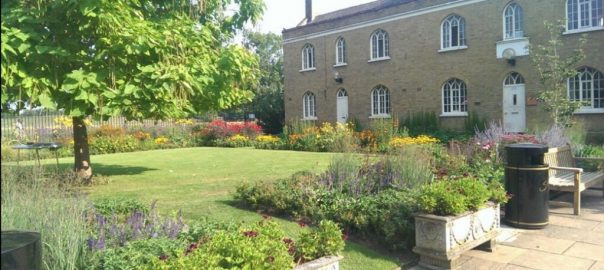
The walled garden is a quiet oasis with plants from every continent, and a treasured space, yet it remains unknown to many people. We want to celebrate the beautiful garden, the unique planting and invite more people to enjoy this special place.
The weekend celebration will help to promote the garden to more Southwark communities and connect them with the plants in the World Garden that are meaningful in their culture and heritage.
We know that people visit to remind them of ‘home’. We are seeking community contributions for the exhibition and events:
memories or photographs of the garden
names and uses of the plants by different communities
cultural importance of the different plants
music from around the world
The World Garden is a special place. If you have photos or memories of the garden, if a plant has a special meaning for you, we would like to include this in the exhibition. Please get in touch.
Many thanks to those who have supported this event.
This event is funded by Southwark Council’s Cultural Celebrations Fund, and Friends of Burgess Park with support from:
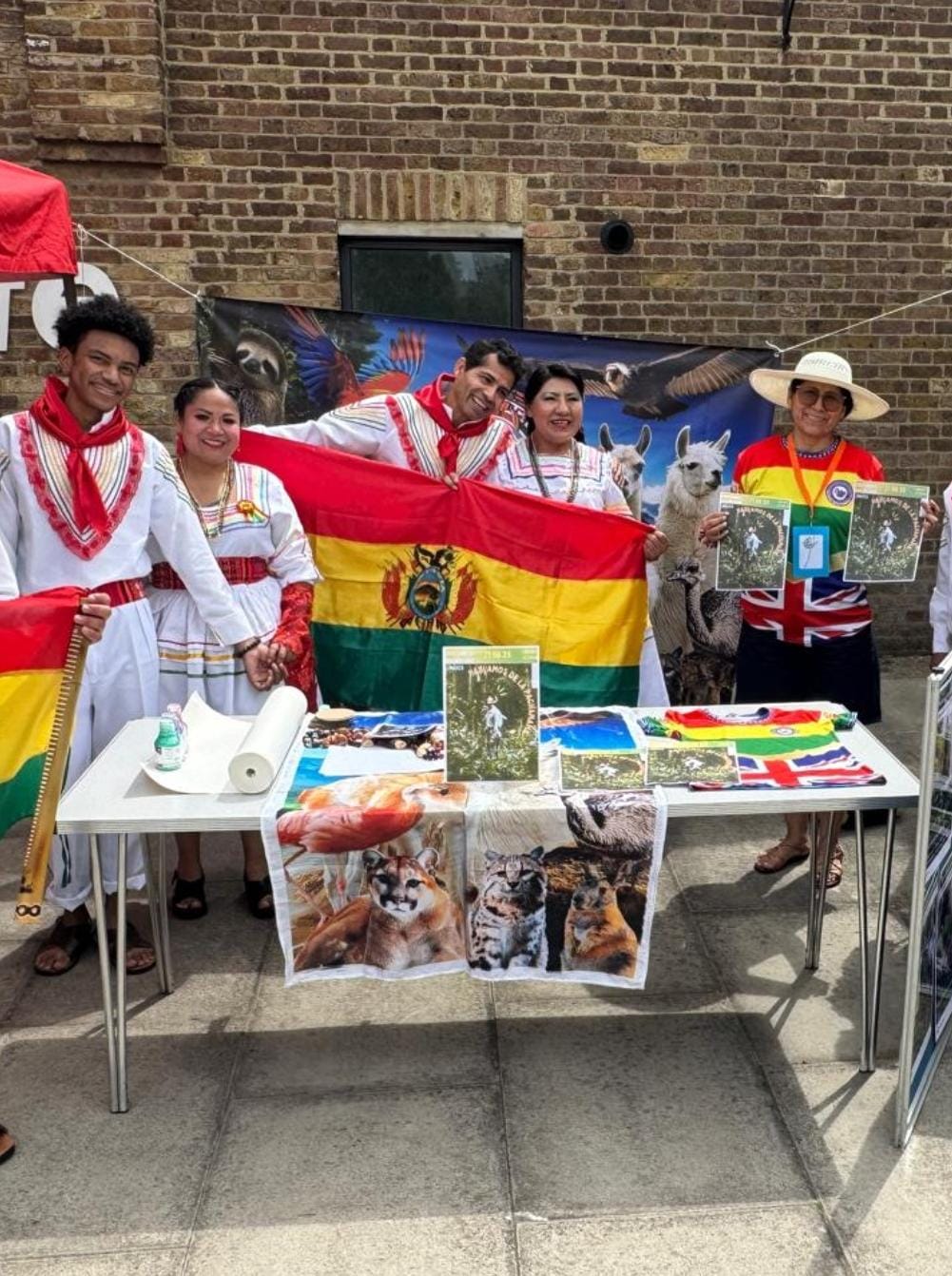
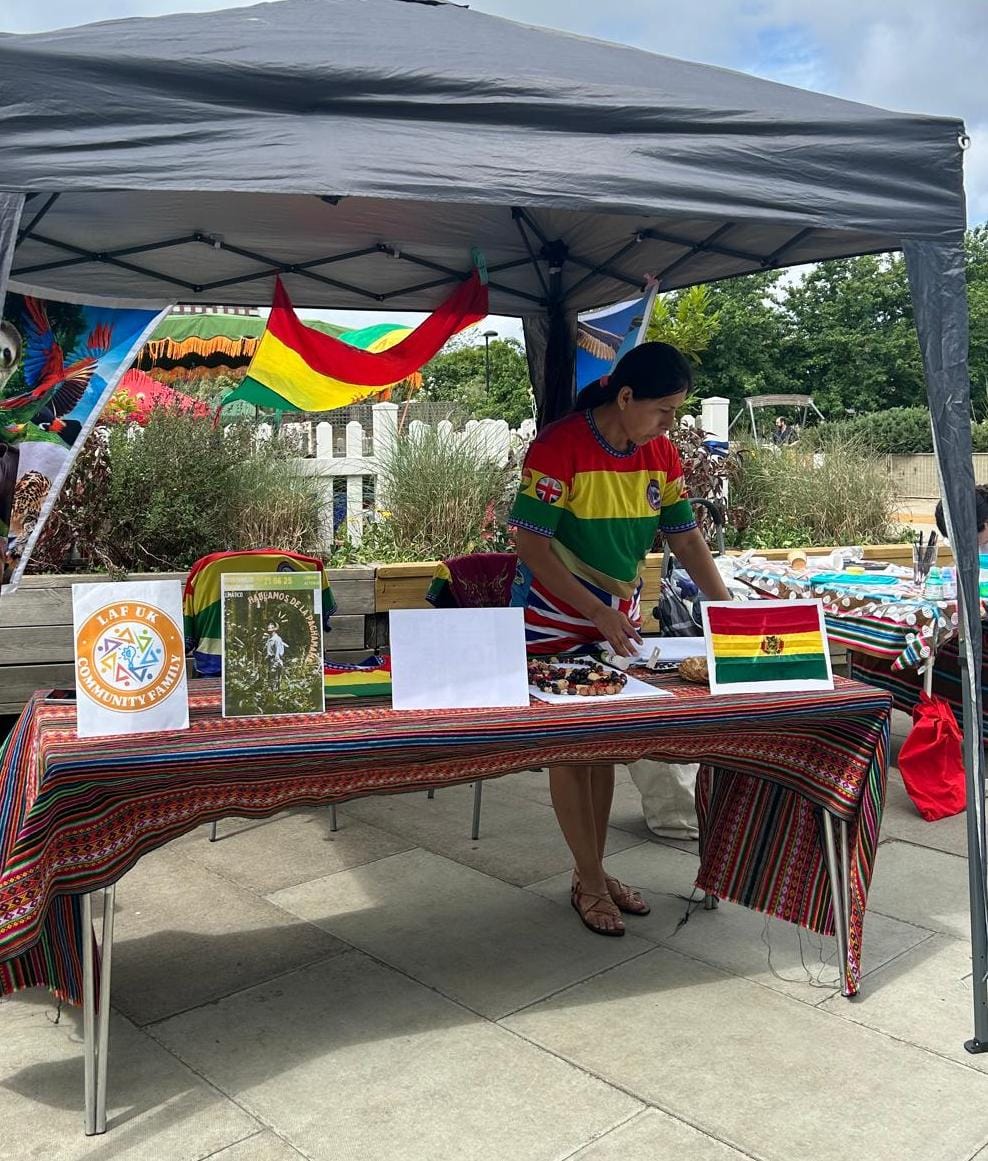
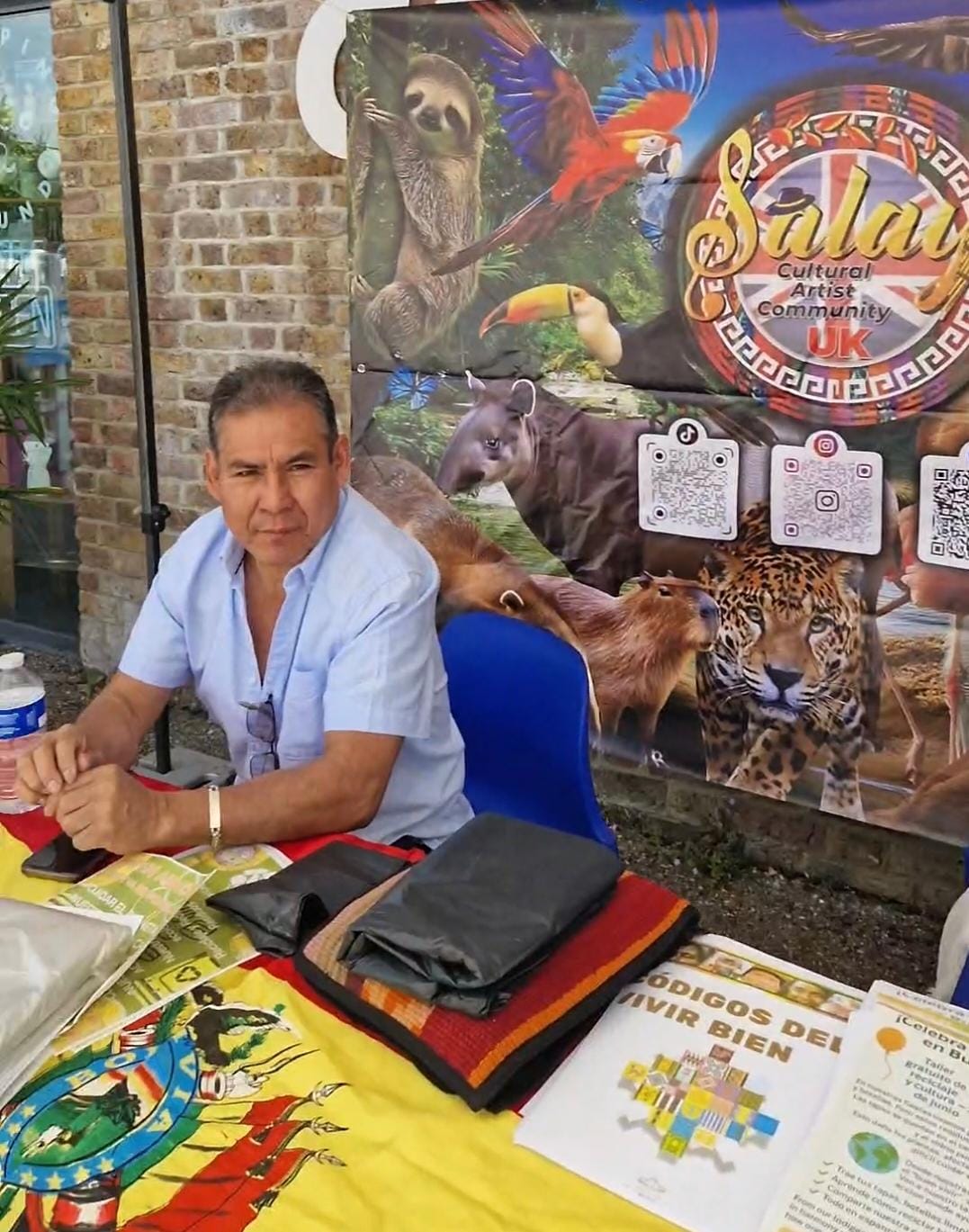
SE5 Forum and Camberwell Society for Mulberry Moments (jazz band and refreshments) London Climate Action Week Gardeners’ Question Time speakers and the Walk and Talk speakers Burgess Park Community Plant Nursery Latin Age UK (art session Sunday) Burgess Sports (loan of chairs/tables) 1st Place (First Aid support) All FOBP volunteers and stewards on the day Community Salay and Ballet Cultural Bolivia (Sat) Community Stalls: Fight4Aylesbury ❧ Local Action Families ❧ Community Salay ❧ Southwark Nature Action Volunteers (SNAV) ❧ Veolia
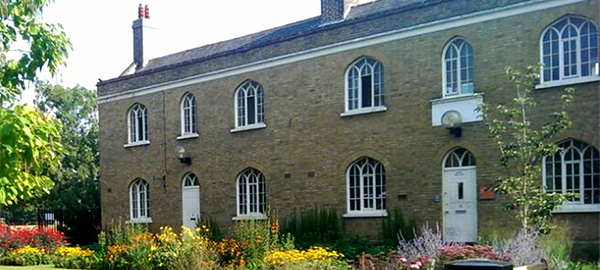
Read about the history of Chumleigh Gardens on our history website Bridge to Nowhere. The Chumleigh buildings originally provided homes for poor women. They were opened in 1823 by The Female Friendly Society. The gardens were established in 1995.
10 years after his last visit (see: The Making of a Modern Park event – how was it? | Bridge to Nowhere), former Park Manager Dave Sadler MBE – came to visit the park, welcomed by members of Friends of Burgess Park plus the current Park Manager, Dominic Leary and Head Gardener, Ciaran Hawkins.
Former park manager Dave Sadler with Dominic Leary, Burgess Park manager
With an association dating back to the 1950s, Dave was instrumental in making the park what it is today. Happily, Dave is still fit and active at 90, so he took a stroll around Chumleigh Gardens then the World Gardens where Dave pointed out just a few of the many trees he had planted. Then onto a cuppa at the cafe, where he shared some incredible stories – which in the early days were less about gardening than calling in the army to clear unexploded bombs! When the lake first opened, the Park’s team used to break up the ice every winter to stop ice skaters, who would have fallen in! The visit finished with a buggy trip around the lake courtesy of Ciaran. All in all, a wonderful day full of memories.
Dave Sadler with Ciaran Hawkins, Burgess Park Head Gardener
Dave described the park to Hunter Davies, author of books about London parks, in 1982: “It’s either a good thing, or it wasn’t worth doing in the first place. You have to keep remembering it IS a good thing.” How right he turned out to be!
Thanks to Dave Clark and the other Burgess Park bird recorders for this important and fascinating information.
We now have four years of year-long data for the birds in Burgess Park displayed in the table below.
YEAR
No. of BIRD SPECIES
No. of OBSERVERS
DAYS RECORDED
2021
89
23
184
2022
64
23
107
2023
65
26
146
2024
65
16
91
Notably, the number of species seen in the park is remarkably consistent for the last three years but alas, does not approach the bumper year of 2021. This is probably due to observer effort and the increased leisure time which was experienced during that period of post-covid, rather than a loss of species breeding or visiting the park.
The lake continues to attract interesting avian visitors with recent sightings of Goosander, Wigeon and Lapwing, whilst across the period shown above, rarities such as Caspian Gull, White-fronted goose and Goldeneye have also been recorded. There are regular sightings of rarer ducks, supplemented by Cormorants and Grebes and over the years seven species of Gulls have been recorded: Black-headed, Lesser and Great Black-backed, Herring, Caspian, Common and Mediterranean alongside Common Tern.
Sedge Warbler. Photo by Andy Vernon, CC BY 2.0, via Wikimedia Commons.
Amongst the interesting passerines (songbirds) which are generally attracted to the rougher scrubby areas, proximate to the Bridge to Nowhere and behind the school we have seen this year Stonechat, Sedge Warbler, Common Redstart, Yellow Wagtail and Sand Martin amongst the usual African migrants of Reed and Willow Warbler, House Martin and Swift. Sightings of a Hobby was a particular highpoint, a West African bird of prey arriving in Britain in the spring. This bird may have been one of the pair that attempted to breed in the north of the borough.
Cuckoo (Cuculus canorus). Photo by Ron Knight from Seaford, East Sussex, United Kingdom. CC BY 2.0, via Wikimedia Commons
In the proximate previous years West and Central African migrants have included Cuckoo, Garden Warbler, Lesser Whitethroat, Pied and Spotted Flycatcher, Wheatear, Meadow and Tree Pipit; whilst regular migrant breeders are Reed Warbler, Whitethroat, Blackcap and Chiffchaff. Birds of prey, are regularly spotted with local Peregrines, Sparrowhawks and Kestrels supplemented by occasional sightings of Buzzard and Red Kite.
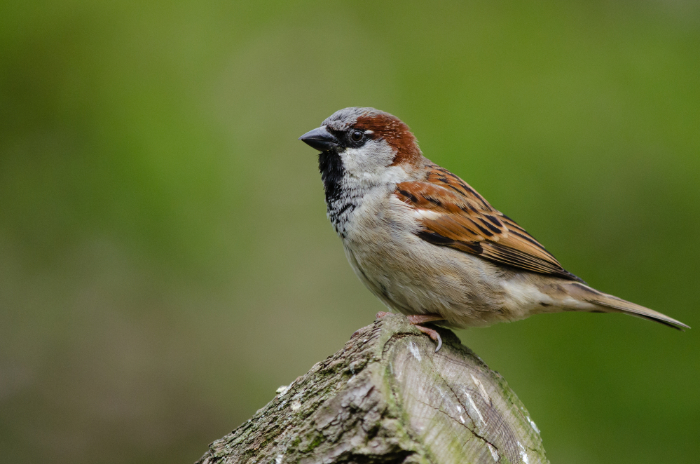
The success of some of our more common birds should also be noted with Burgess being one of the few green spots within Southwark that experiences good numbers of House Sparrow and Starling, both unfortunately designated as Red-listed species; i.e.species of high conservation concern.
All known records have been sent to GiGL (Greenspace information for Greater London), BTO (British Trust for Ornithology) and Ebird. Ebird is the easiest way to follow which birds have been seen in the park, check out: https://ebird.org/hotspots (put Burgess Park in the search box).
It would be great if we had more people involved in recording our avian sightings within the park, our knowledge of the continuing erosion of biodiversity is dependent on enthusiastic amateurs using the various Citizen Science platforms that are now available. If you want to get involved, Ebird is again the go-to website whilst closer to home London Birders has a daily wiki-feed; if you have any questions please do not hesitate to contact the writer at dave@mailbox.co.uk.
FOBP AGM Tues 28 October 2025 6.30-8.30pm at 1st Place nursery, Chumleigh Gardens, with refreshments from 6.00pm. Or online Zoom.
Come to the Friends of Burgess Park AGM!
Hear from our guest speakers Dominic Leary new Parks Officer and Ciaran Hawkins the new Head Gardener. Both joined Burgess Park in 2025. They will update on new park projects for 2026 and answer your questions.
AGM – FOBP committee election – We need new committee members – Support your local park an important inner city green space, vital for local people and nature.
As a committee member you will help to run the organisation; our aims are to protect, promote and enhance Burgess Park. We do this by speaking-up on behalf of the park, promoting the wildlife and nature, and organising practical park based activities.
Projects to get involved in:
Developing a biodiversity plan for Burgess Park
Organising quarterly walk abouts with the Parks team
Helping to run community litterpics
Opportunities for nature volunteering and using plants in crafts sessions
Woodlands activity with LWT
Parks projects including Chumleigh Gardens pond mosaic
Everyone is more than welcome! FOBP is a community group open to park users, local residents,volunteers, local groups and reps from TRAs and other organisations with an interest in Burgess Park. Please come along!
Join us at 1st Place nursery, Chumleigh Gardens on Tuesday 28 October 2025 from 6pm for a 6:30pm start until 8:30pm. Read more about the annual reports and changes to the constitution.
There is step free access to 1st Place nursery and children’s centre. There are accessible toilets. We will be serving non-alcoholic drinks and snacks.
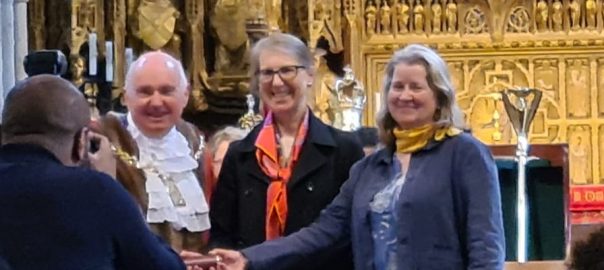
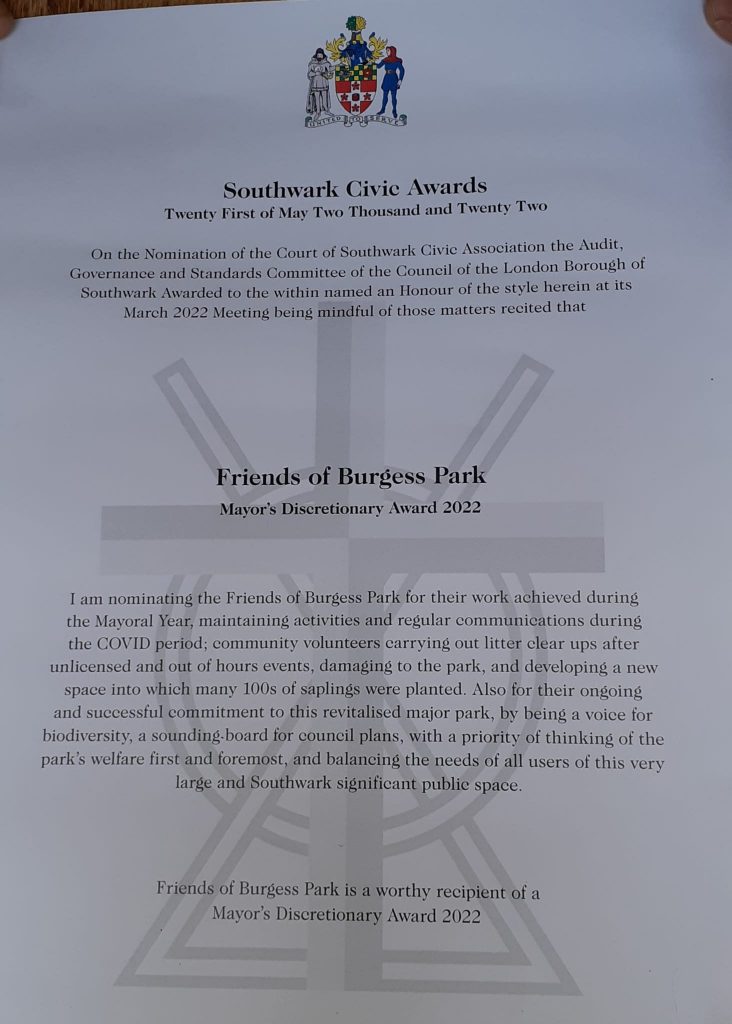
Thank you Southwark Mayor Cllr Barrie Hargrove for the 2022 Discretionary Award for Friends of Burgess Park’s “ongoing & successful commitment … thinking of the park’s welfare first and foremost”. Massive thanks to all our volunteers, past, present, & more importantly, future ones. Join us!
Wild boar, auroch and red deer shaped our ancient woodlands. They grazed on the saplings that sprung up in the clearings caused by falling trees and kept the soil open to the sky. Wildflowers and berries thrived in the sunshine attracting more wildlife. Stone-age hunters found it profitable to hunt where the animals gathered and were able to keep the clearings open using flint axes. Later on, Bronze age people developed the clearings into places to cultivate rough pasture and crops.*
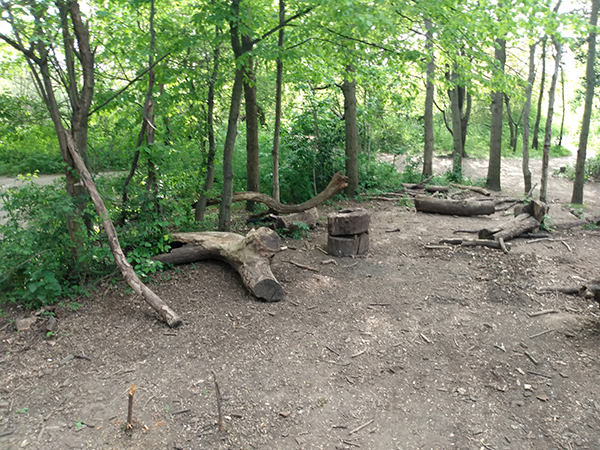
Under the shade of a closed canopy, very little grows. Trees are not regenerated. Small areas like this add to the experience of walking in a wood, but it would be rather gloomy if covering a large area.
A completely closed canopy is poor in biodiversity as without sunlight, there will be no plants for forage on the woodland floor. The only insects to be found will be those that feed on decaying leaf litter and their predators. The mighty English Oak will not grow here, their seedlings grow best in more open conditions, often under the protection of a Blackberry thicket. ‘The thorn is mother to the Oak.’ When you find an Oak tree in the middle of a wood, it was there first, other trees grew around it.
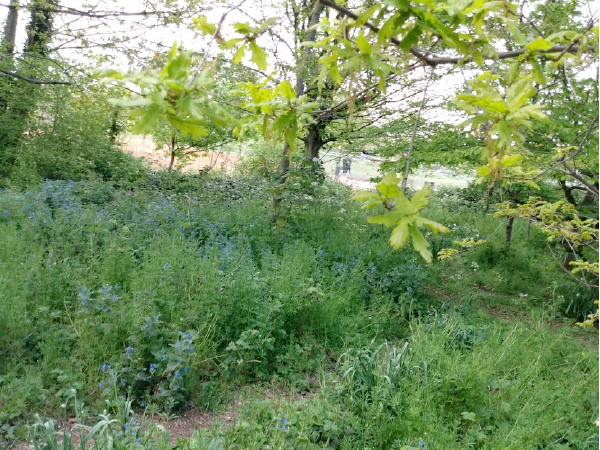
Here, the break in the canopy is allowing regeneration of the woodland floor. Alkanet and nettles flower, encouraging butterflies to lay their eggs and young trees to grow from seed.
Throughout the many centuries since, under-woodsmen have harvested the underwood, taking Hazel, Ash and Chestnut to make hurdles, fences, rustic furniture, firewood and charcoal. The standards, Oak and Elm were left to grow on into timber for ship and house building or to become veteran trees. Felling all the underwood may seem like vandalism, but letting the light in regenerates the woodland as the trees quickly re-grow.
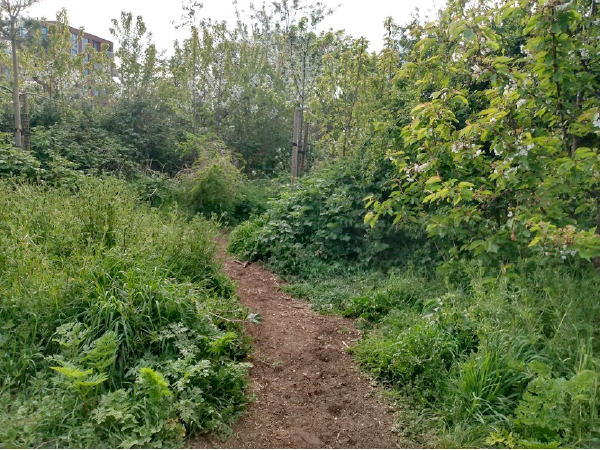
The most biodiverse part of woodland is the woodland edge. Abundant plant cover provides food and protection for small animals, insects and birds. Birds will feast on the wild cherry on the right then spread their stones to create more trees. This is a good place to spot Speckled Wood Butterflies.
The woodland in Burgess Park West is a young Broad Leaf woodland, planted to imitate ancient woodland, but it will be many decades before it develops veteran trees and the complex wildlife that they support. Similarly, with the plants that indicate ancient woodland – Wood anemone, Herb Paris, Twayblade, Purple Orchid, They need deep, moist, leaf mould interlaced with fungal mycelium and soil micro-organisms to grow in.
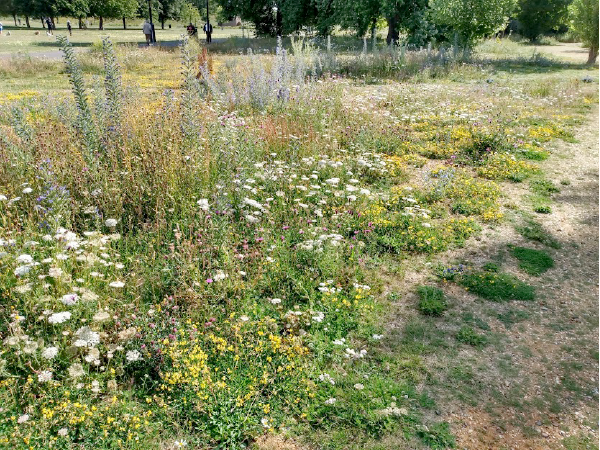
Adjacent to the Burgess Park West Wood is this area of wild carrot, Viper’s bugloss, Bird’s foot trefoil, Knapweed & Clover. Ants, spiders, shield insects and beetles in abundance are a vital supply for the hungry nestlings waiting in the wood. Pollinators turn the flowers into seeds that keep the birds fed through autumn and winter. Common Blue butterfly caterpillars feed on Bird’s foot trefoil, Painted lady on Viper’s bugloss and Clouded yellow butterfly on clover.
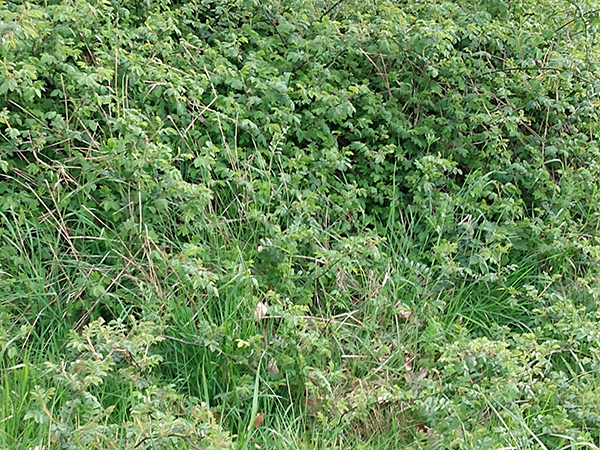
This thicket of Dog Rose would provide enough cover for a Black Cap, nicknamed ‘Northern Nightingale’ to nest. There are quite a few of them in this part of London.
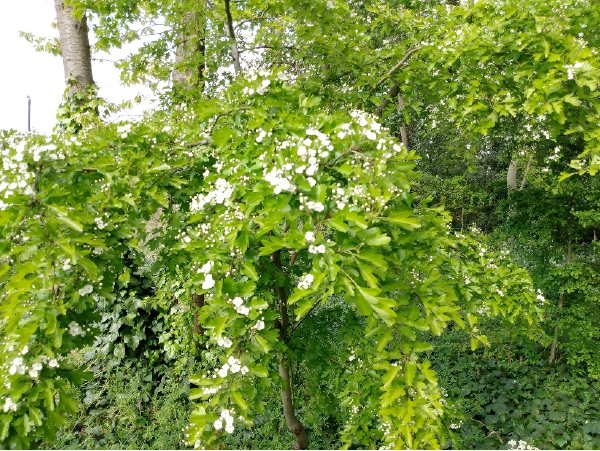
Hawthorn provides fodder for animals, edible berries, and is a food plant of the Black-veined white butterfly caterpillar.
Sunshine is a vital agent. In a coppiced woodland, sections of the woodland called Coups are cut every 7-12 years in rotation. Under this system, there are always young tree shoots within the reach of grazing animals somewhere in the woods. Other trees and plants are mature enough to produce nuts and berries to feed animals such as dormice. Somewhere in the wood, areas of thick scrub will have sprung up into a site where nightingales can nest. Full exposure to sunlight every decade is enough to sustain bluebells and other woodland flora. In neglected woods, the flora will eventually be shaded out along with all the wildlife it supports.
Coppicing is hard work and under woodsmen a rare breed. In Blean Woods near Canterbury, things are going full circle and European Bison are being re-introduced to look after the woods. Unfortunately, natural habitats are becoming more fragmented by roads and buildings, so it will take a lot of changes to make it possible for native mammals like the hedgehog or the wild boar to return to this bit of London. The plants and trees that have lasted with us into the 21st Century have adapted to our ancient methods of managing the land and to the animals that live on it. But, they can’t keep up with our present rate of change and we run the risk of destroying these beautiful habitats if we don’t understand and fight for what it takes to keep them alive.
Jenny
* See A Natural History of the Hedgerow by John Wright
Ornithologist Dave Clark recommends keeping a record of the birds in the park and on the lake.
This gives us an indication of the natural health of our precious green urban space and allows us to understand the changes that occur seasonally within nature. The winter profile of the lake is one of gulls, cormorants and wintering ducks seeking, believe it or not, a warmer climate from their usual surrounds.
Being proximate to the Thames and easy for birds to see from the air, the wide vistas of the park provide a backdrop that allows avian incomers to assess the attractiveness of the lake, with food and safety being the prime instinctual drivers. This winter the lake has continued to provide a home, stopover and feeding station to the usual suspects alongside less common and in a Greater London context, rare species.
White-fronted goose. Photo: Andy Reago & Chrissy McClarren, CC BY 2.0 via Wikimedia Commons
The star of the show was a White-fronted goose which quite happily fed and swam with the resident Greylag geese population, gracing us with its rare presence for around a week. White fronts, check out the white patch above the beak in the above photo, migrate to Britain during the winter to escape the bitterness of lcelandic and Russian winters with this particular bird being one of the rarer subspecies which arrives from faraway Siberia to land habitually on our coastal and estuarine environments, a rarity indeed.
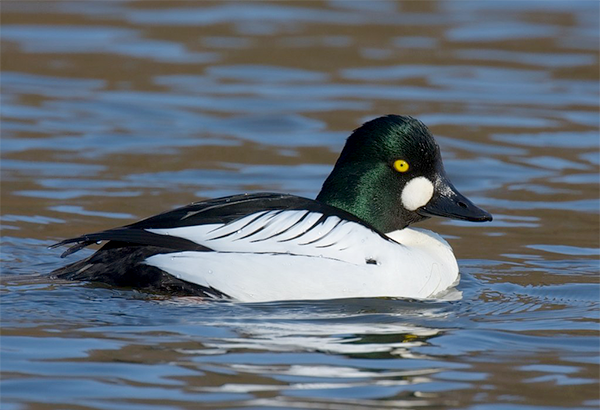
Goldeneye. Photo: https://www.flickr.com/photos/sbern/, CC BY 2.0 via Wikimedia Commons
Usually seen, if at all, on the large expansive London reservoirs the Goldeneye is a distinctive wintering duck from Scandinavia. A beautiful male appeared later in January for three days and was probably the same individual that appeared for the same duration on the lake before last year`s lock down.
Gadwall. Photo: Tony Hisgett from Birmingham, UK, CC BY 2.0 via Wikimedia Commons
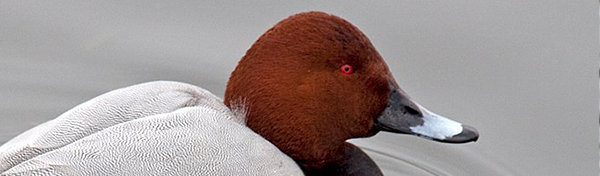
Other ducks of note that have also been seen are the subtly plumaged Gadwall and a long standing male Pochard in all its orange-red headed glory.
Pochard. Photo: Tony Hisgett from Birmingham, UK, CC BY 2.0 via Wikimedia Commons
On our playing fields, parkland and ponds there is always a winter build up of gulls, and on any one day during this winter there have been up to two hundred Black-headed gulls swooping and swimming at the lake. We commonly make the mistake of perceiving them as seabirds when in fact they are coastal birds and with the Thames so close the route to the coast is only 20 to 30 miles away. Along with Common gull, Herring gull and Lesser black-backed gull the lake has also attracted, on occasion, Britain’s largest gull the Great black-backed gull, a serious beast standing at 70 centimetres it is twice the size of the usuals and five times the weight!
Black-backed gull. Photo: Charles J. Sharp, CC BY-SA 4.0 via Wikimedia Commons
Finally in our water bird list is the Mediterranean gull which pops in and out of Burgess Park. As suggested by their name they are used to a warmer environment and although still rare the general increase in abundance of this bird in Kent coastal areas is a sign of our changing climate. Very similar to the Black-headed gull the white wing tips and droopy beak help discriminate between the two species.
Mediterranean gull. Photo: Martin Olsson (mnemo on en/sv wikipedia and commons, martin@minimum.se)., CC BY-SA 3.0 via Wikimedia Commons
A heartwarming effect of the lake’s success is the notable increase in the number of observers who are recording sightings on the various social media platforms. I’m sure the coming seasons will add to our birding pleasure, and whether casual or serious in our intent there is no doubt in these strange times that the lake and the park are important for our well being. Keep birding!
Where to record your bird sightings
London database = GIGL = Greenspace Information for Greater London – collects data on flora and fauna – https://www.gigl.org.uk/
by Simon Saville Chair of the Surrey & SW London Branch of Butterfly Conservation
I suppose that most people don’t think of butterflies when they think of Burgess Park. But they should! Already this year (by late March) I have seen a Small Tortoiseshell, a SmallWhite, a couple of Commas and a couple of Brimstones.
Over the past few years, I have spotted no fewer than 16 different types of butterfly in the park. On one spectacular sunny July day, I saw more than 160 butterflies of 10 different species, plus a couple of day-flying moths.
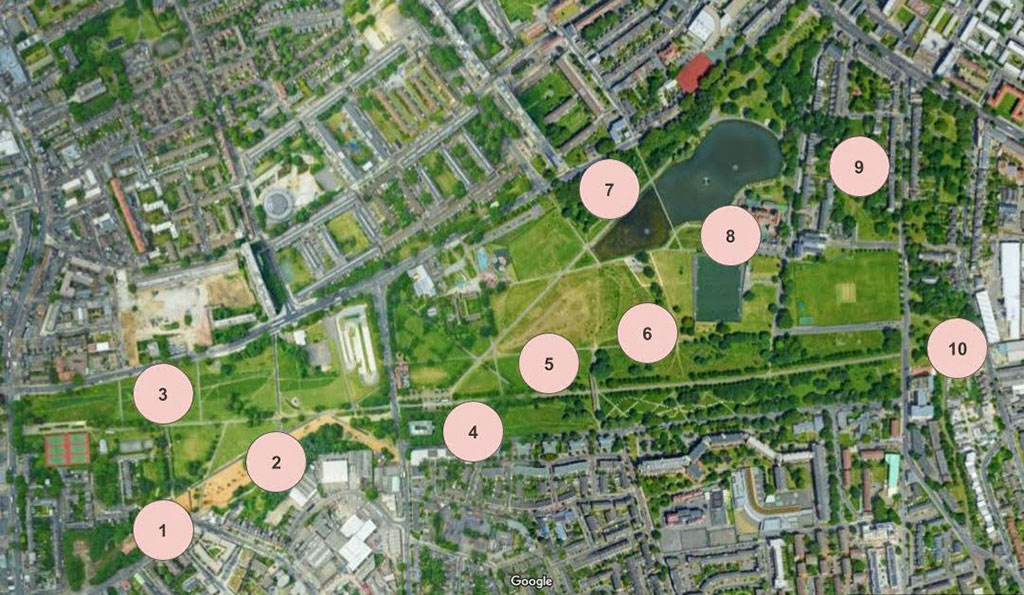
Burgess Park has been managed quite sensitively for wildlife, and there are lots of good places for butterflies. Some of them are shown in this map:
1 – Elm trees, supporting some very elusive White-letter Hairstreaks
2 – Nature area, being redeveloped. This could become a nature hotspot in a few years’ time
3 – The big mounds, home to the Common Blue butterfly
4 – By St. George’s Way
5 – Grassy area with brambles
6 – South-facing slope
7 – Wooded area north of the lake
8 – Grassy area by the lake
9 – Grassy area and hedges between Waite St and Oakley Place
10 – Glengall Wharf, start of Surrey Canal Walk
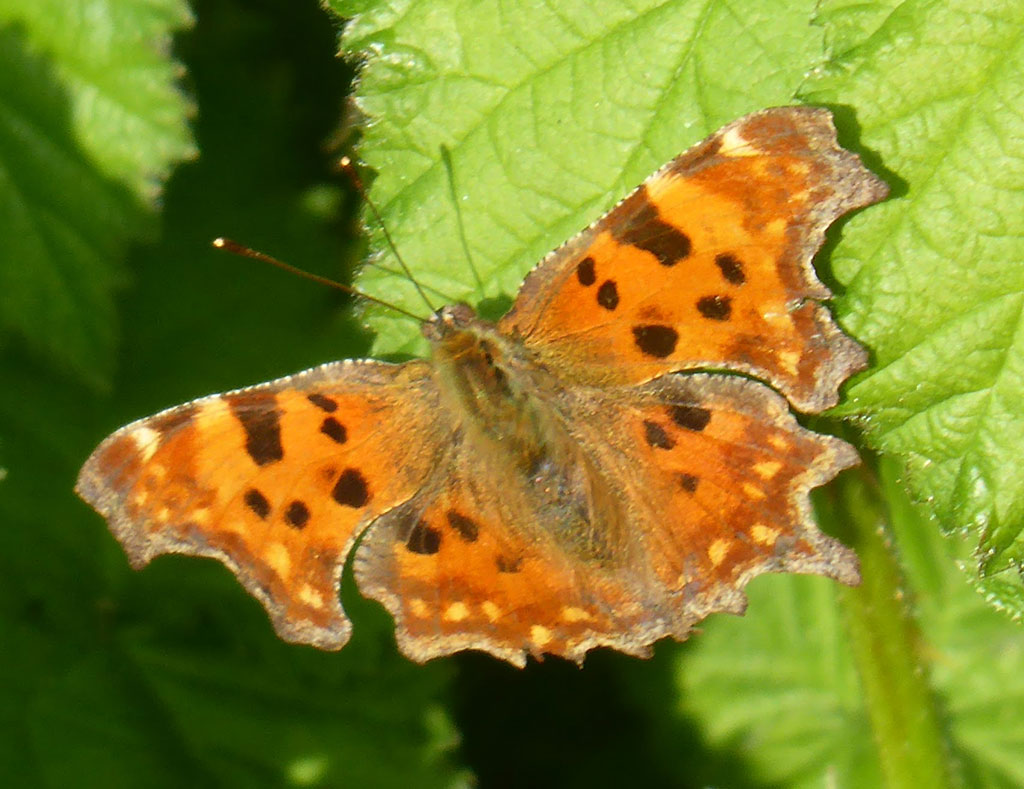
The Comma is a harbinger of spring, often seen in April. They spend the winter hibernating as adults and they reappear as soon as the weather warms up. This one was in the wooded area north of the lake – a favoured spot. The caterpillars used to feed on hops, but now have a taste for nettles and this has helped them increase their range and abundance in recent years.
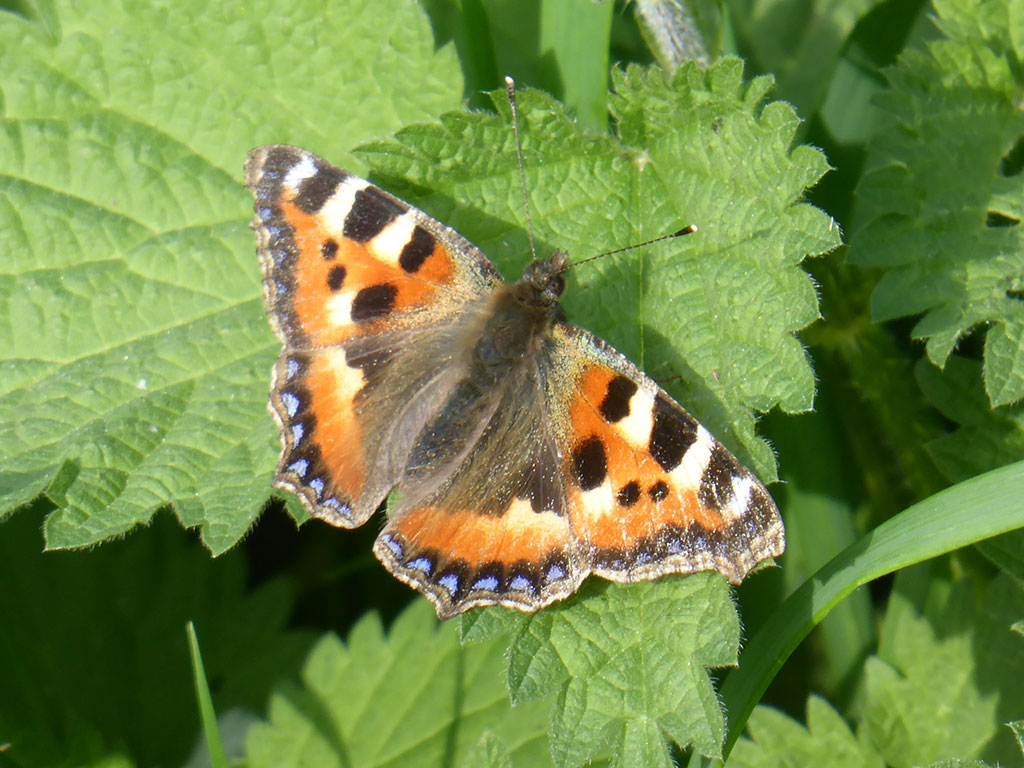
The Small Tortoiseshell also hibernates as an adult. This one was spotted in the middle of the Park by some brambles in April. The caterpillars feed on nettles, so it’s important that we don’t tidy the nettles away! We used to see a lot more of these butterflies. Nobody really knows why they have crashed in numbers so quickly.
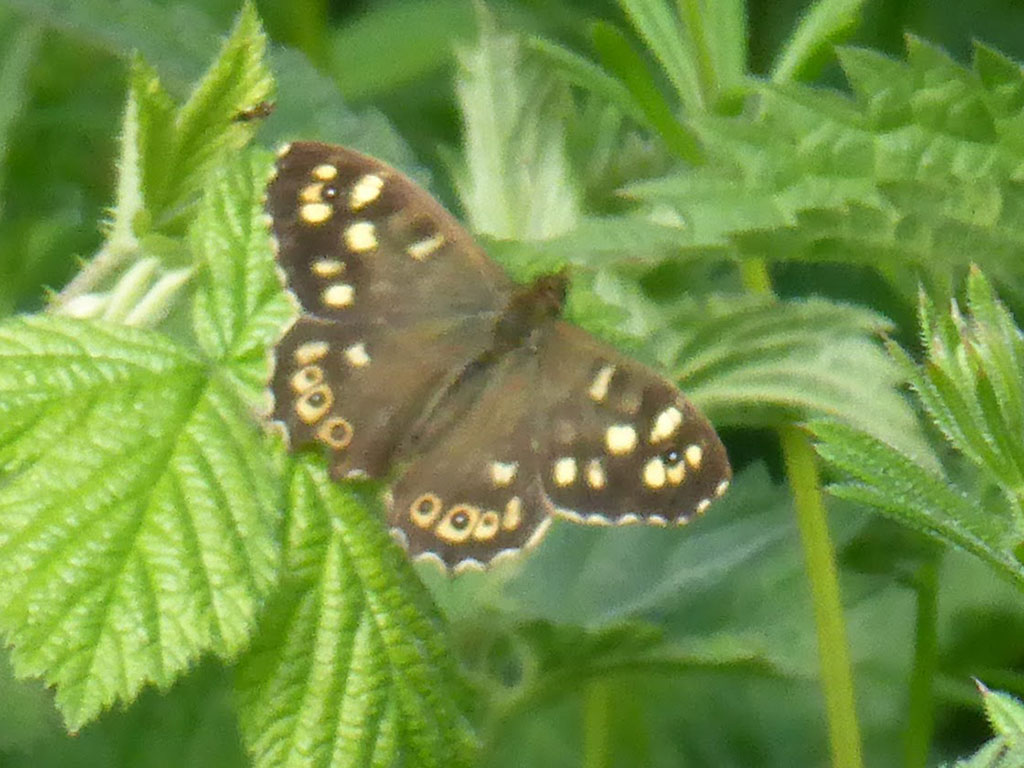
A Speckled Wood in the Glengall Wharf area in April. They like the semi-wooded areas and enjoy dappled sunlight.
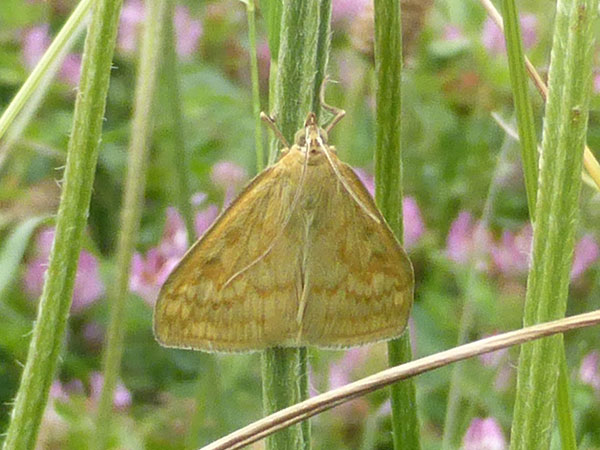
A Sitochroa verticalis moth (this has no English name) on one of the big mounds in June when many of the flowers were in bloom. Also around at that time were lots of Burnet Companion and Silver-Y moths. The latter is a migrant that can appear in London in big numbers.
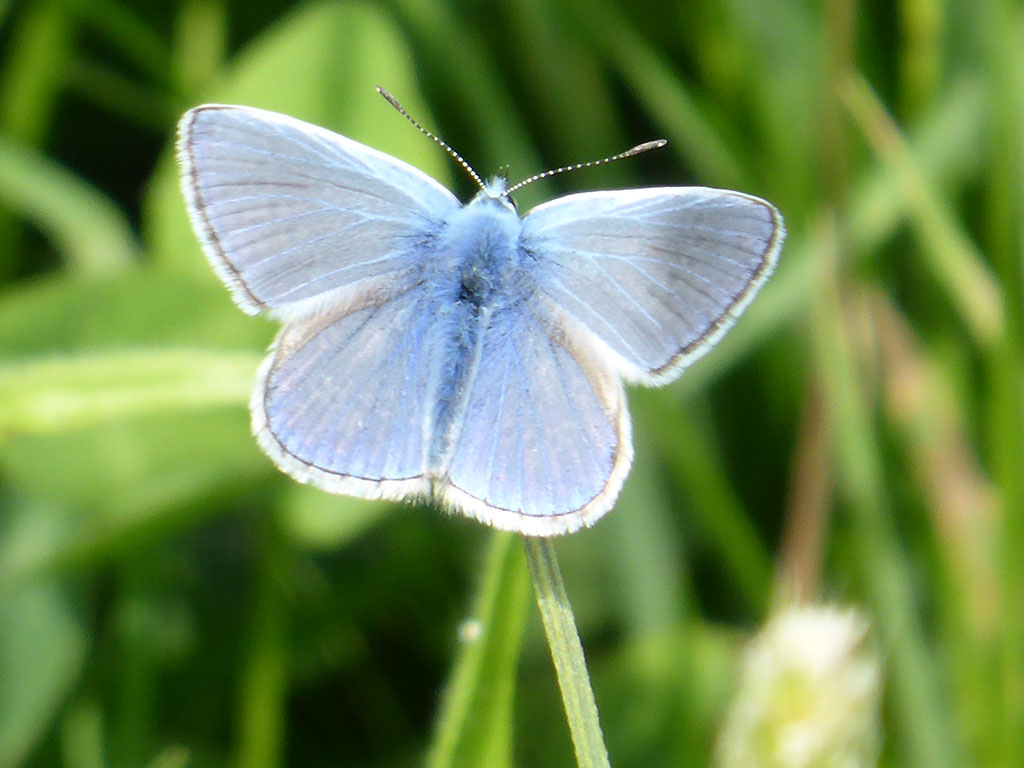
One of many Common Blue butterflies seen on the big mounds in June last year. The caterpillars feed on Bird’s-foot Trefoil which is present here.
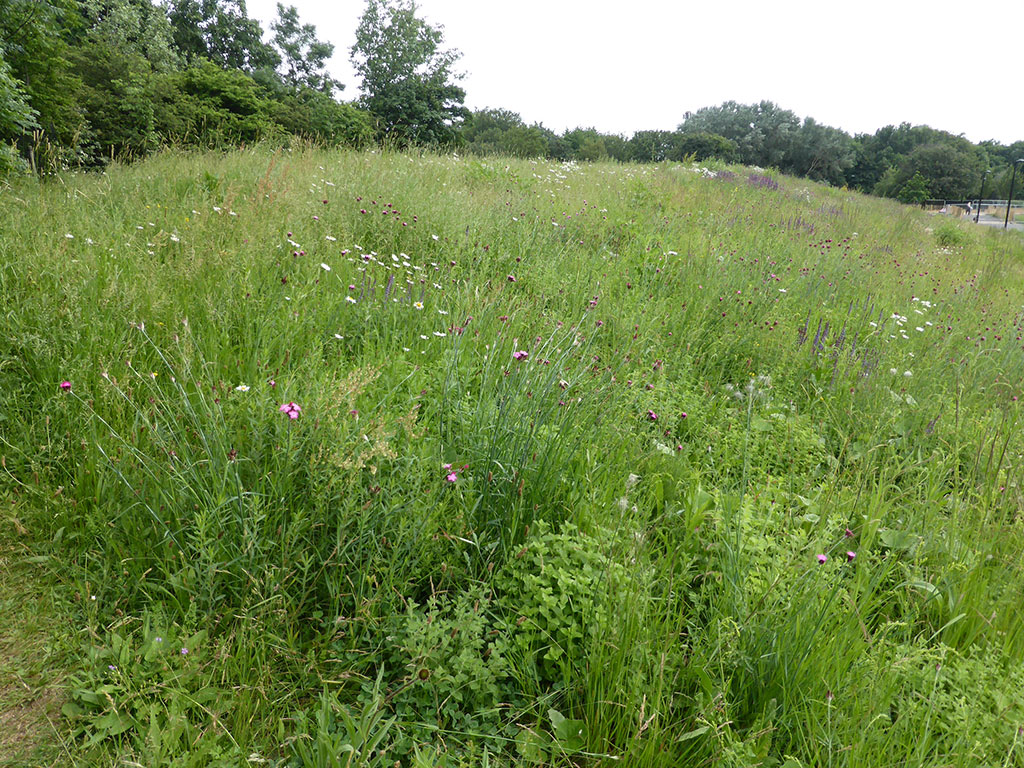
The big mounds are often teeming with insect life, a result of the many wild flowers present.
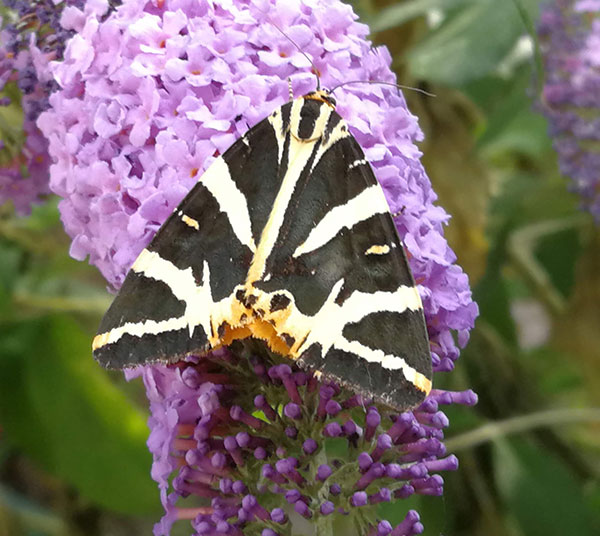
The spectacular Jersey Tiger moth can be seen flying in the Park in July and August. This photo is from Kennington, about a mile away. This used to be restricted to the south coast, but is now spreading rapidly. It can be seen all over south London. Because it is colourful and flies by day, it’s often mistaken for a butterfly.
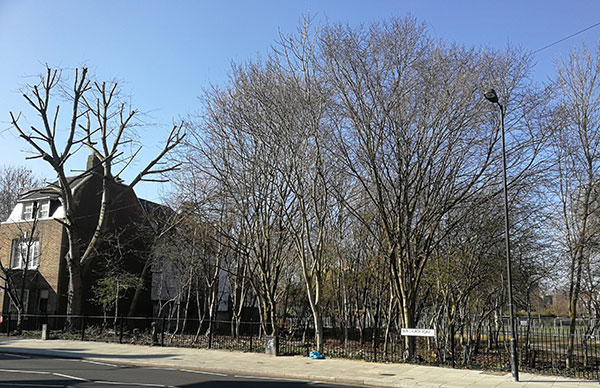
Elm trees by New Church Road. If you are lucky, you might see pairs of male White-letter Hairstreaks spiralling in mock combat at the top of the canopy.
Butterflies seen in Burgess ParkLarval foodplant
Brimstone Buckthorn
Comma Nettle
Common Blue Birdsfoot Trefoil
Gatekeeper Grasses
Green-veined White Crucifers
Holly Blue Holly (spring), ivy (summer)
Large Skipper Grasses
Large White Brassicas
Meadow Brown Grasses
Orange-tip Garlic Mustard, crucifers
Red Admiral Nettles
Small / Essex Skipper
(not separately recorded) Grasses
Small Tortoiseshell Nettles
Small White Brassicas, crucifers
Speckled Wood Grasses
White-letter Hairstreak Elm
I haven’t seen any Painted Lady, Peacock or Ringlet butterflies in Burgess Park, but I would be surprised if they were not present, as they have been seen at Nunhead Cemetery (3km away). The Painted Lady, which is a migrant species, was also seen at Walworth Garden (1km away). There may be Purple Hairstreaks on the oak trees by Waite Street.
Moths present include: Jersey Tiger, Six Spot Burnet, Burnet Companion, Silver-Y and Sitochroa verticalis.
All this goes to show what a wonderful place Burgess Park is for butterflies. I know that Southwark Council are keen to make it even better.
Butterfly Conservation has started a ‘BIG City Butterflies’ project, supported by the National Lottery Heritage Fund. This aims to get people to engage with the green spaces near them and to discover the wildlife that’s under their noses. We’ll be using Burgess Park as one of our key sites in SW London. It’s early days, but you can read more about Big City Butterflies here.
A murder of crows
Perhaps, if crows were brightly coloured, they would be loved instead of feared.Part of the Corvid family which includes magpies, ravens, jays and jackdaws they are arguably the most intelligent and fascinating of all birds. I have watched them fly off with a chicken’s egg, wash the salt off a chip in a puddle before eating it and mobbing a fox. Set aside an hour to watch this brilliant documentary which will make you view crows in a whole new light.
Just a piece of unkempt turf on the common that is providing shelter, protection and food for next summer’s butterflies, grass-hoppers and maybe the odd frog.
Inviting new pathways in the Nature Area in Burgess Park west.
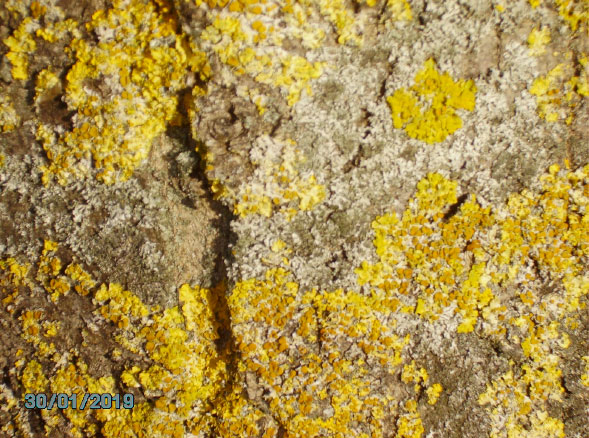
We don’t hear so much about acid rain these days, but it’s still there, scrubbing clean the tree trunks of moss and lichen, so a treat to see this.
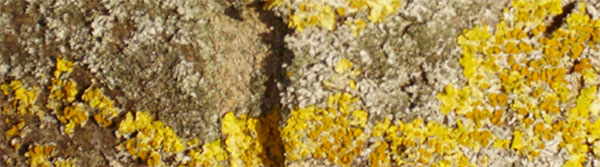
Lichen on Horse Chestnut bark near the underpass.
Not one organism, but two, a fungus and an alga that can’t live without each other. The fungus provides the structure and the algae make the sugar. There are many different species of Lichen. It’s not feeding on the tree, but is affected by the acidity of the water running off the bark . You will find Lichen on brick and stone, glass, metal ,leather surfaces too.
Lichen is used to make Litmus paper. Dies are extracted and added to filter paper so that it turns red in acid conditions and blue in alkaline. Some lichens contain Usinic acid which is anti-inflammatory, anti-microbial and attacks cancer cells. Unfortunately, it also damages the liver.
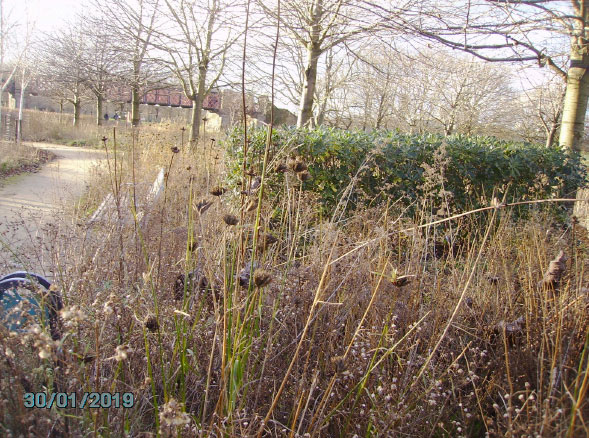
Still some lingering seed heads from last year’s spectacular display in St George’s Gardens. Many seeds have a protective coating and won’t germinate until they have been exposed to frost. This keeps them fresh and hydrated ready to send out new roots into the warm moist spring soil.




.jpg)
.jpg)

_2.jpg)